





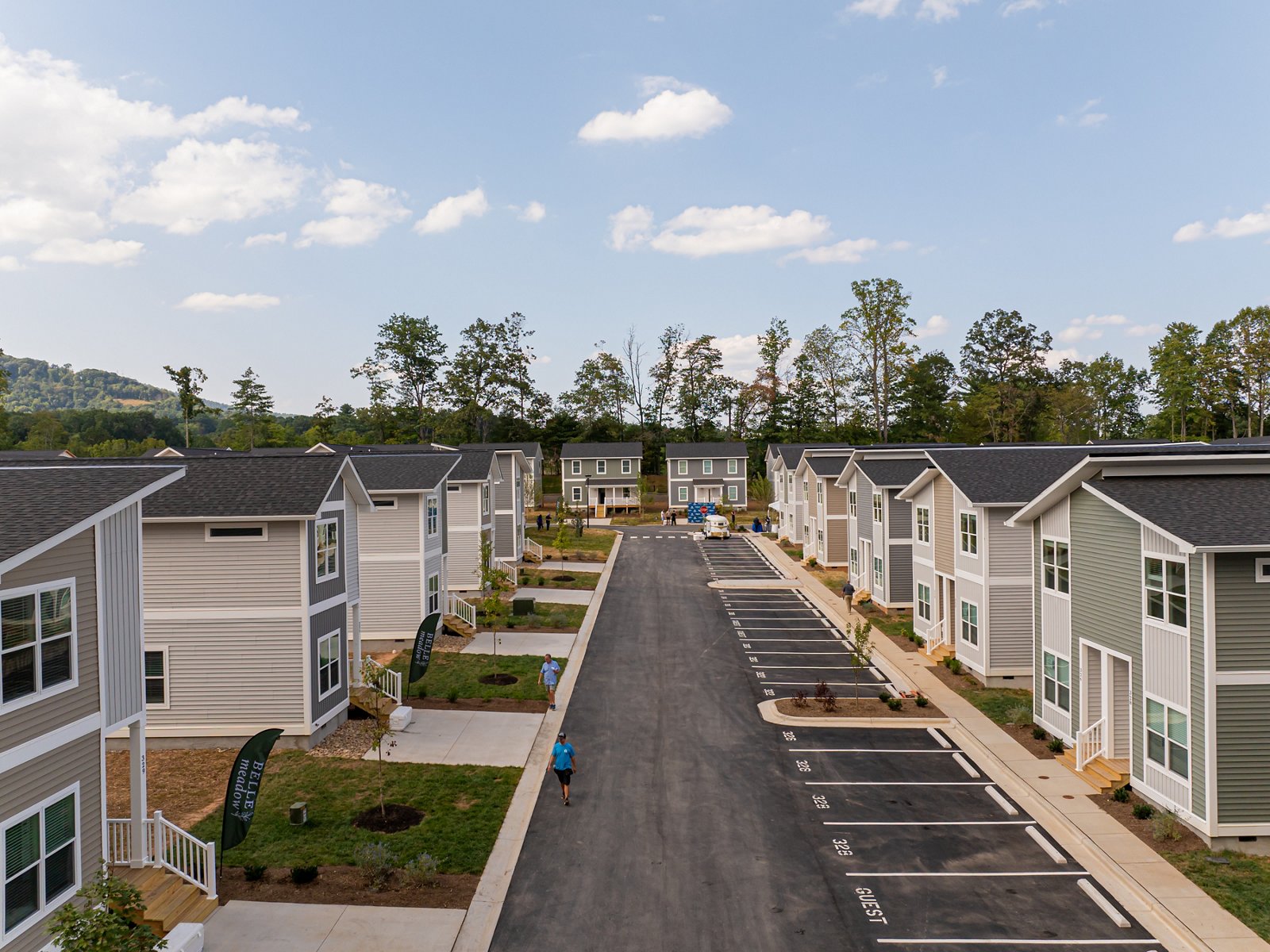
If I walked into a factory meeting and the sales manager told me our backlog had gone from $313 million to $500 million in a year, I’d be buying the coffee. Then I’d ask purchasing to pull the oldest order we still had to build. How much did we expect to make on that home when we sold it, and how much do we expect to make on it today?
Champion Homes gave the industry a good reason to ask that question. Its manufacturing backlog reached approximately $500 million at the end of September, up nearly 60% from $313.2 million a year earlier. For a company with 42 manufacturing plants in the U.S. and four in Canada, that’s a considerable amount of work coming through the door.
What the factories actually shipped
For its fiscal second quarter ended September 26, Champion reported sales of $727 million, up 6.2% from a year earlier. It sold 6,724 homes in the U.S., an increase of 2.3%. The average selling price rose 4.1% to $102,700. Champion attributed that increase partly to the kinds of homes it sold and the channels it sold them through. Reading that figure as a blanket price increase would give a factory owner the wrong idea.

Here’s the number I’d circle. Champion earned $52.7 million in net income, down from the year before. Management pointed primarily to inflation in the cost of sales. Higher material costs took back some of what the company gained from stronger sales and better pricing. Those earnings cover homes already sold. The profitability of the $500 million still on order is a question for the quarters ahead. sec.gov
Champion also has ways to reach buyers that many independent factories would love to have. It operates 95 U.S. retail locations, and sales through company-owned stores helped lift home volume. It ended the quarter with $702.8 million in cash and cash equivalents. CEO Tim Larson said Champion outperformed the housing market during the quarter. What caught my attention was how modest the unit growth was behind that assessment. A little more production and a retail network that could move those homes went a long way.
Pull one order and follow the dollars
Suppose your sales manager sold a builder six homes in June for delivery in November. The builder signed, the deposit cleared, and the order went on the board. Now pull out the supplier quote for the windows. Was that price good through November, or did it expire in July? If nobody placed the purchase order while the quote was valid, the difference may already have come out of your margin.
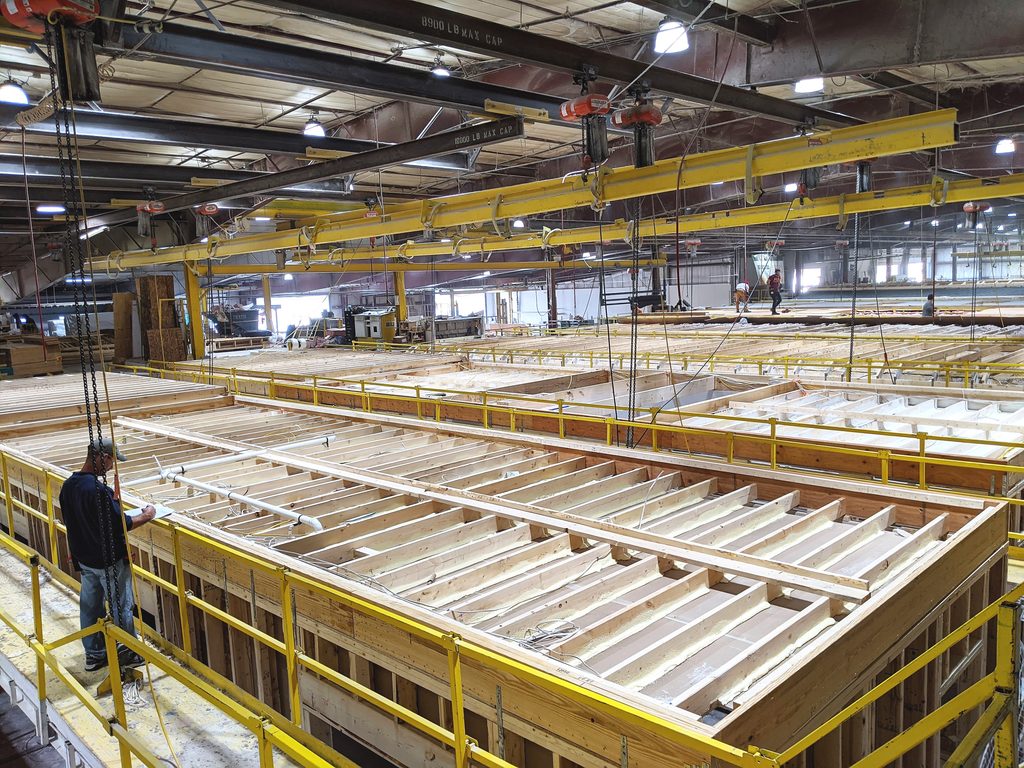
Now ask the production manager about the six kitchens. The builder approved a cabinet change on the understanding that the new cabinets cost about the same. Fair enough. Did anybody price the extra hours the finish crew needs to install them? And if the builder can only take two homes a week, who allowed for moving the others around the yard until a truck can take them?
I’d put the original estimate beside today’s expected cost and ask who owns each difference. Purchasing may still have time to secure a price. Sales may have a signed escalation clause it can use before the next materials release. The builder might even prefer the original kitchen once somebody explains what the change will cost. All three conversations get harder after the house is built.
Gary’s Observation

I’d keep celebrating the orders. Anyone who has had to stand in front of a good crew and explain why there’s only three days’ work next week knows what a healthy backlog means. But at the next Monday meeting, I’d give the oldest unbuilt order five minutes on the agenda. Let the salesperson who sold it, the buyer who ordered the materials, and the foreman who has to build it tell you what has changed. I’d buy the coffee for that conversation, too.