




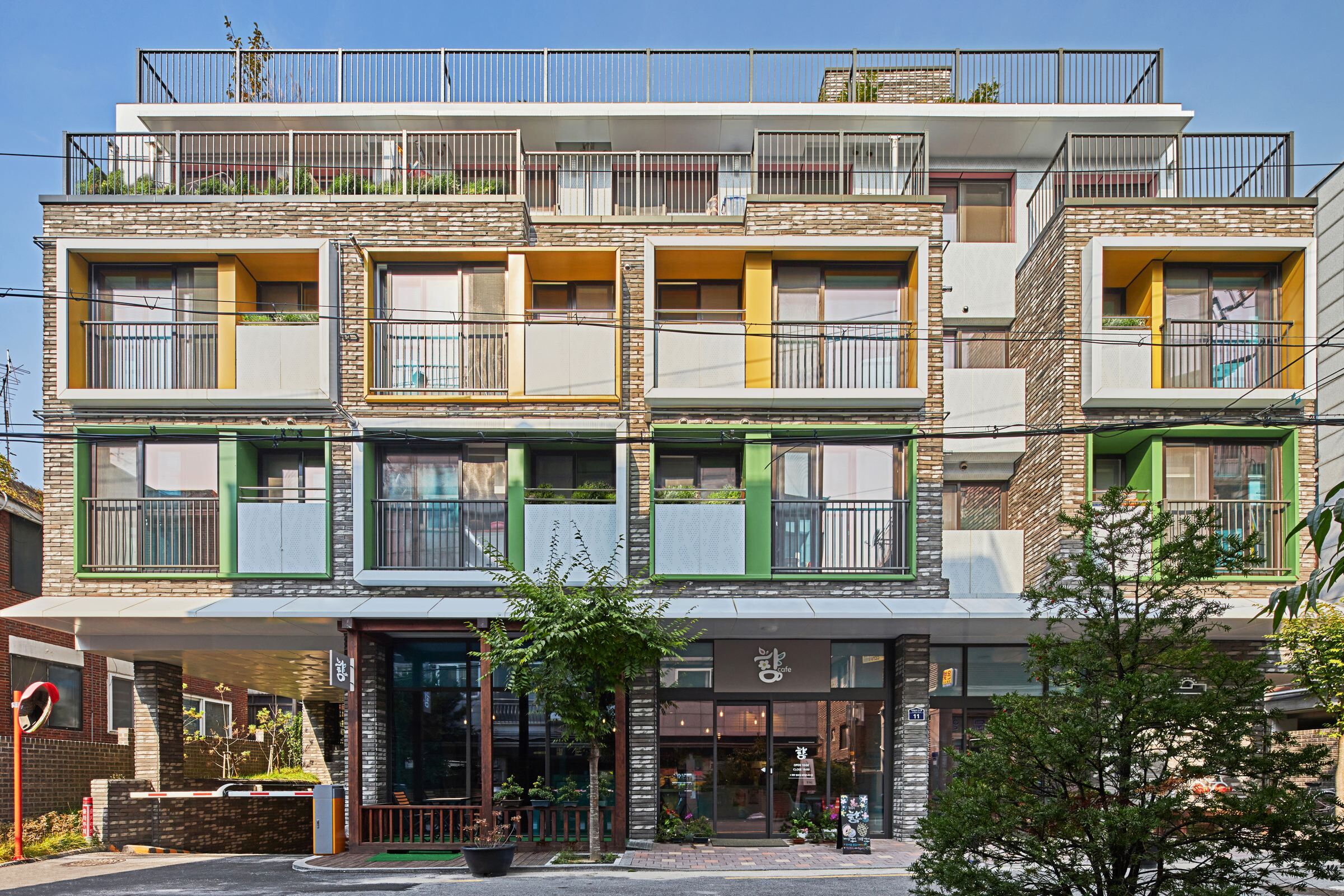
A modular factory cannot pay its bills with enthusiasm for affordable housing. It needs orders that turn into production, and payments that arrive before the working capital runs out. South Korea’s latest modular housing initiative deserves attention because it addresses both.
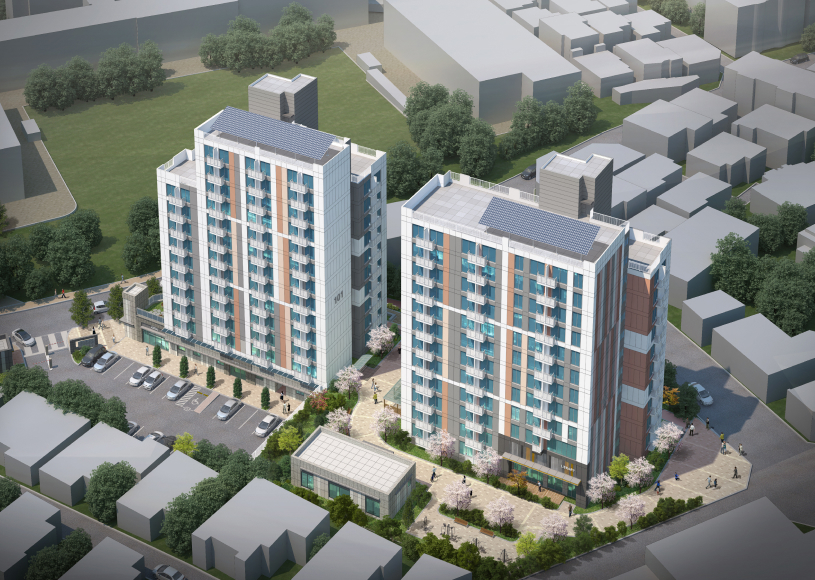
According to ChosunBiz, Korea Land & Housing Corporation (LH) has outlined plans for more than 18,000 modular homes, with an ordering program valued at 4.8 trillion won and extending through 2030. Its 2027 target exceeds 3,500 units. Those are planned orders, however, and factory owners know the distance between an announcement and a dependable production schedule.
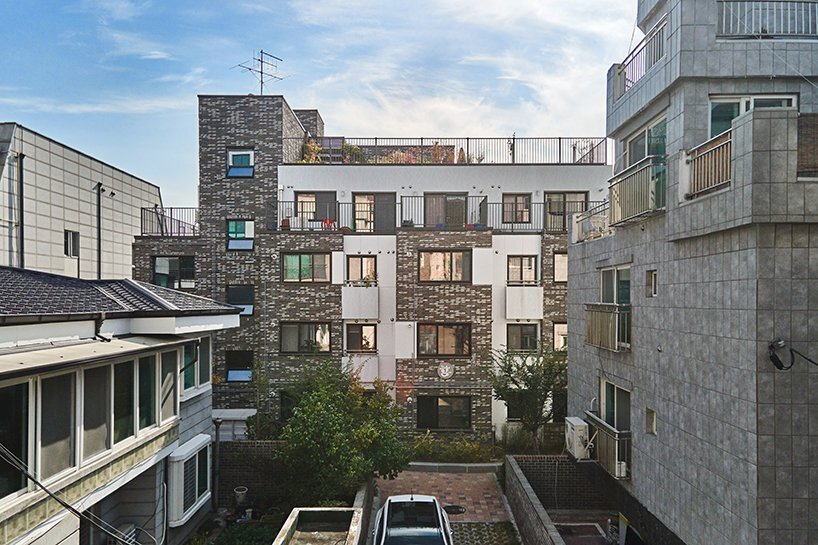
The more interesting proposal concerns payment. LH is seeking to tie progress payments to factory production instead of waiting until modules reach the jobsite. It also intends to allow preparation time between contractor selection and groundbreaking for technology development and automated production. The agency plans to link work allocations to cost-reduction performance.
For a factory owner, those details deserve as much attention as the housing total. Materials, payroll, and equipment payments come due while a building is still inside the plant. Making the manufacturer finance that entire stretch adds pressure before the first module leaves the door.
Predictable work also changes the equipment conversation. A manager can evaluate automation against a credible production pipeline, train people for the work ahead, and organize purchasing around more than the next project. None of that guarantees a profit, but it gives management something solid to manage.
There is a catch worth watching. Rewarding lower prices works only when those savings come from better production. If manufacturers chase volume by accepting prices that cannot support quality, overhead, and reinvestment, a full factory can still become a failing business.
Gary’s Observation

What catches my attention here is the recognition that buying modular housing involves buying into a manufacturing process. The customer’s ordering and payment practices affect what happens on the factory floor. American housing agencies and developers should examine that connection closely. Before asking a factory to build faster and charge less, ask whether your own purchasing practices give it a reasonable chance to do either.