




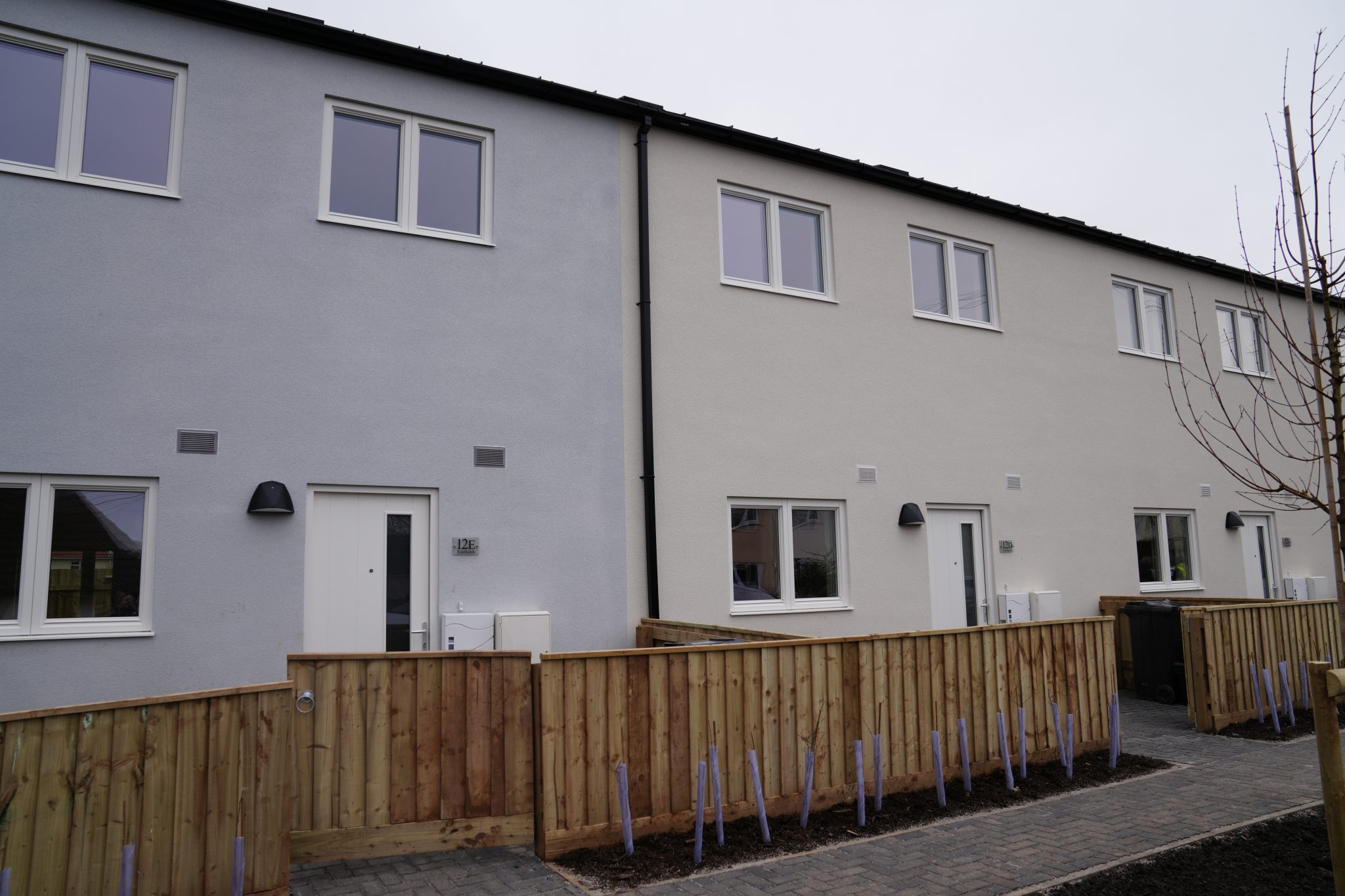
There are moments in this industry when I read something and stop—not because it’s another “innovation,” but because it actually works. The Eastlands scheme in Devon is one of those moments.
At first glance, it sounds like a good story: modular homes, built in a factory, delivered to a small community. But look closer, and you realize this is something much bigger. This is a model that addresses two of the most stubborn problems facing society today—housing shortages and reoffending—and does it with a level of practicality that’s hard to ignore.
A Different Kind of Factory Story
The homes themselves are exactly what you would expect from modern offsite construction—high-quality, energy-efficient, and built to last. Designed by Zed Pods and manufactured in a controlled factory environment, they arrive on site ready to be craned into place, creating attractive, long-lasting homes for local families.
But here’s where the story shifts.
These homes are being built, in part, by prisoners.
Through the Prisoners Building Homes (PBH) program, individuals in prison are trained, employed, and given real construction skills while contributing to the production of affordable housing. It’s not symbolic work. It’s real work, producing real homes for real communities.
And the results speak for themselves.
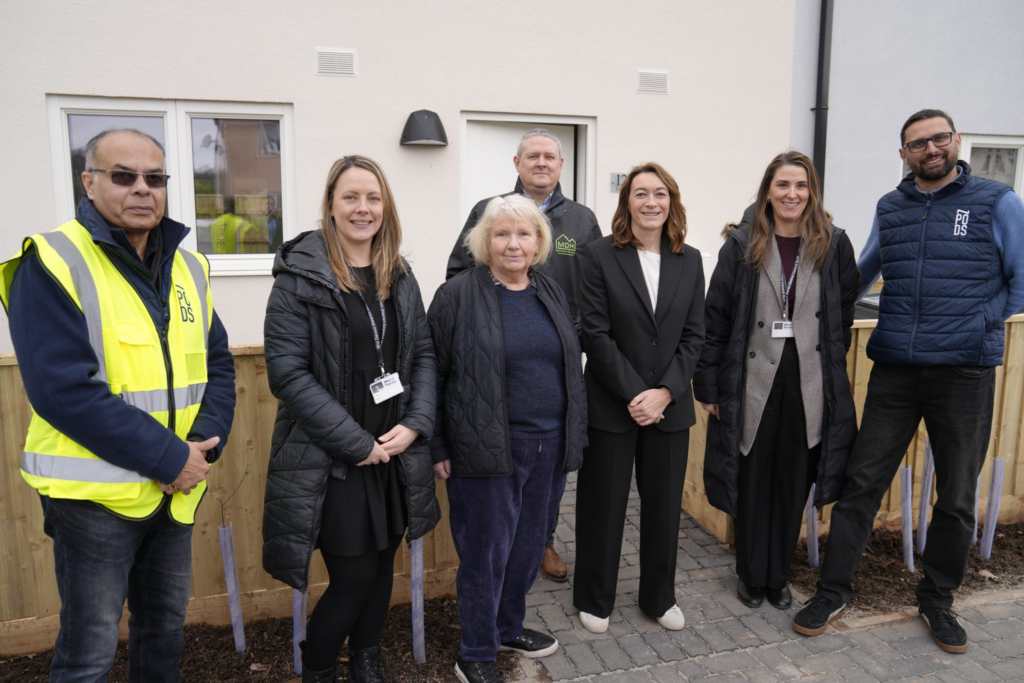
Left to right, Debansu Das, Business Development Director, Zed Pods; Sam Goff, Tenant Involvement Officer, Mid Devon District Council; Cllr Jane Lock, Cabinet Member for Housing, Assets and Property Services, Mid Devon District Council; Simon Newcombe, Head of Housing and Health, Mid Devon District Council; Sophie Baker, programme manager, Prisoners Building Homes; Hannah Loram, Commercial Services Officer, Mid Devon District Council; and Dr Rehan Khodabuccus, Operations and Technical Director, Zed Pods, stood outside the new homes in Hemyock
More Than Housing—A Path Forward
Most housing programs focus on supply. PBH does that—but it also tackles something the industry rarely touches: what happens to people after they leave prison.
Participants in the program gain formal construction training and work experience that directly translates into employment opportunities once they’re released. In fact, around 89% of those completing the program move straight into jobs, compared to a national average of about 19%. Even more striking, reoffending rates among participants drop to below 5%.
Think about that for a moment.
This isn’t just building homes.
This is reducing crime, strengthening communities, and creating a workforce pipeline—all at the same time.
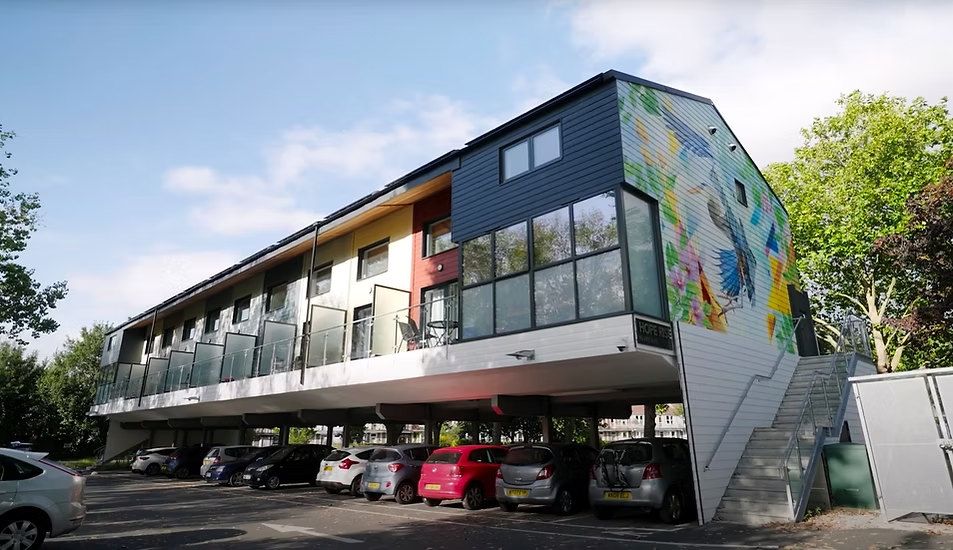
The Eastlands development itself is modest—five two- and three-bedroom council homes in Hemyock. But like many important ideas in offsite construction, it’s not about the size of the first project. It’s about what it represents.
The Eastlands Scheme—Small Project, Big Signal
These homes are being delivered on small, underutilized sites, exactly the kind of land that traditional construction often overlooks. They’re energy-efficient, affordable to operate, and offered at social rents—roughly half the cost of private rentals.
In other words, they’re hitting all the right targets:
- Speed
- Affordability
- Sustainability
- Practicality
And they look like any other home—which may be the most important point of all.
The Bigger Vision You Can’t Ignore
Here’s where this story becomes impossible to dismiss.
The Eastlands scheme isn’t a one-off. It’s part of a much larger ambition:
Deliver 10,000 homes by 2030
Employ 3,000 people in prison
And significantly cut reoffending rates
That’s not incremental improvement.
That’s a scalable, national strategy.
If achieved, it would mean:
- Thousands of families housed
- Thousands of individuals given a second chance
- A measurable reduction in crime
- A stronger, more stable construction workforce
And all of it driven, in part, by offsite construction.
Why This Matters to Our Industry
We spend a lot of time talking about innovation—automation, AI, robotics, new materials. All important.
But every once in a while, something comes along that reminds us what real innovation looks like.
It’s not always about faster machines or bigger factories.
Sometimes, it’s about rethinking who builds the homes—and why.
The PBH model shows that offsite construction can be more than efficient. It can be transformational.
CLICK HERE to read the entire Devon and Cornwall government article
Modcoach Observation
We’ve all heard the phrase “housing crisis” so many times it’s starting to lose its meaning.
But when a program comes along that can build high-quality homes, reduce costs, train a workforce, and cut reoffending at the same time—you have to ask a simple question:
Why wouldn’t we be doing more of this?
Because if offsite construction is going to lead the future of housing, it won’t just be because it’s faster or cheaper.
It will be because it solves problems nobody else has figured out how to fix.
And this one just might.
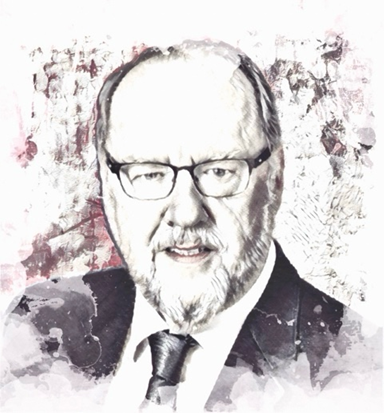
Gary Fleisher—known throughout the industry as The Modcoach—has been immersed in offsite and modular construction for over three decades. Beyond writing, he advises companies across the offsite ecosystem, offering practical marketing insight and strategic guidance grounded in real-world factory, builder, and market experience.