The only constant is
change, which means industries are always evolving and the housing building is
no exception. The rising popularity of modular homes lately has proved that the
building industry is capable of ‘thinking outside the box’ or rather thinking
within the box.
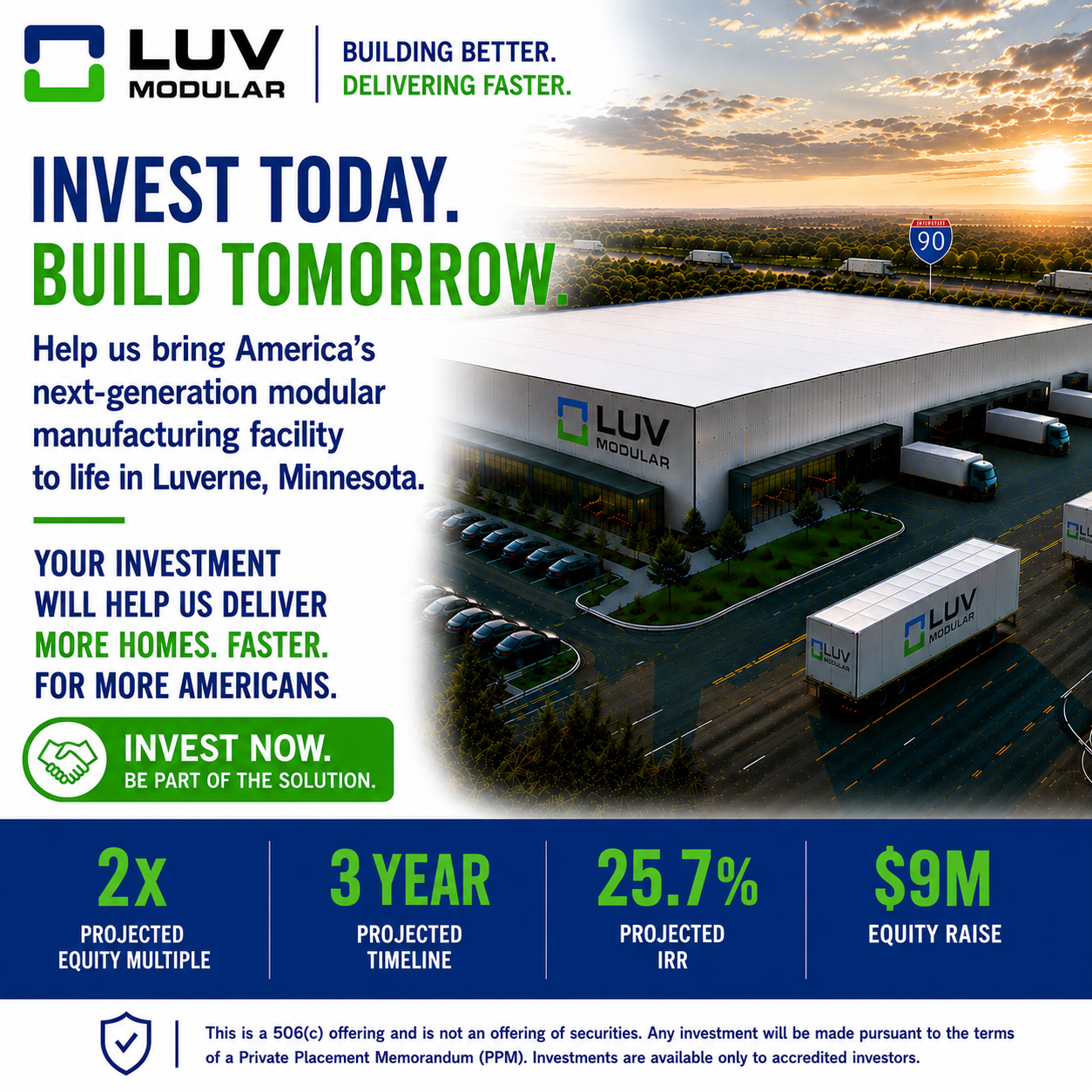
Modular homes are gaining
popularity, as they are not only quick and cost-effective to construct and
build, but energy efficient and a greener option too. It’s little wonder new
homeowners are choosing modular homes over traditional houses in the United
States. This makes for a great business idea to invest in, as the demand for
modular homes continues to increase.
Many builders are migrating to offering modular
homes or businesses as opposed to onsite building practices because the
advantages far outweigh the disadvantages, now is the time to explore this
method of building further.
The Modular Home Industry
Despite contrary belief, modular
buildings are not manufactured, mobile or recreational homes that are portable.
The home is simply built offsite and transported to the site and placed on
foundations making them a permanent structure. Everything else stays the same
for builders except for needing commercial liability insurance in the factory
and onsite.
The entire process is up to 50%
quicker as the efficiency of building homes in a factory far outweighs the
complications an onsite build could cause. The customization and styling can be
adapted easily, and any size and style of home can be accommodated.
The Advantages
There are many advantages to
building modular homes instead of traditional houses, namely;
●
Onsite delays are minimized due
to weather conditions not affecting building
●
Factory-built, minimizing the
wait for foundations to be laid first
●
Modular homes don’t depreciate
faster than their counterparts
●
Customization freedom
●
Modular buildings can
accommodate business or commercial purposes easily
●
Modular buildings are permanent
structures, they are not seen as mobile homes
●
Modular buildings can be built
on basements or crawl spaces
●
Modular homes and buildings are
sustainable and eco-friendly
●
Faster completion scope, easy
and quick to build due to smart design software used by engineers and
architects
●
Modular buildings are built to
withstand severe weather conditions including winds of up to 175 mph
●
Modular buildings do not have
design limitations, any style and aesthetic can be accommodated
●
Building inspections are
performed in the factory when the building is transported to the site
● Modular
buildings can be expanded after completion
The Disadvantages
There are fewer disadvantages to modular buildings than
advantages, such as;
●
More specific rules, guidelines
and building codes that must be adhered to when compared to traditional home
building
● Plumbing,
electricity, and ductwork are an added expense that the homeowner must be
informed about
● Consumers
and property developers are still afraid of the modular home industry and are
reluctant to get involved at first
With so many advantages to building modular homes or
businesses, the property market is bound to be flooded with modular buildings
in the near future. The added bonus of sustainability makes the move from
building traditional homes to modular ones a no-brainer.
Promoted Article