





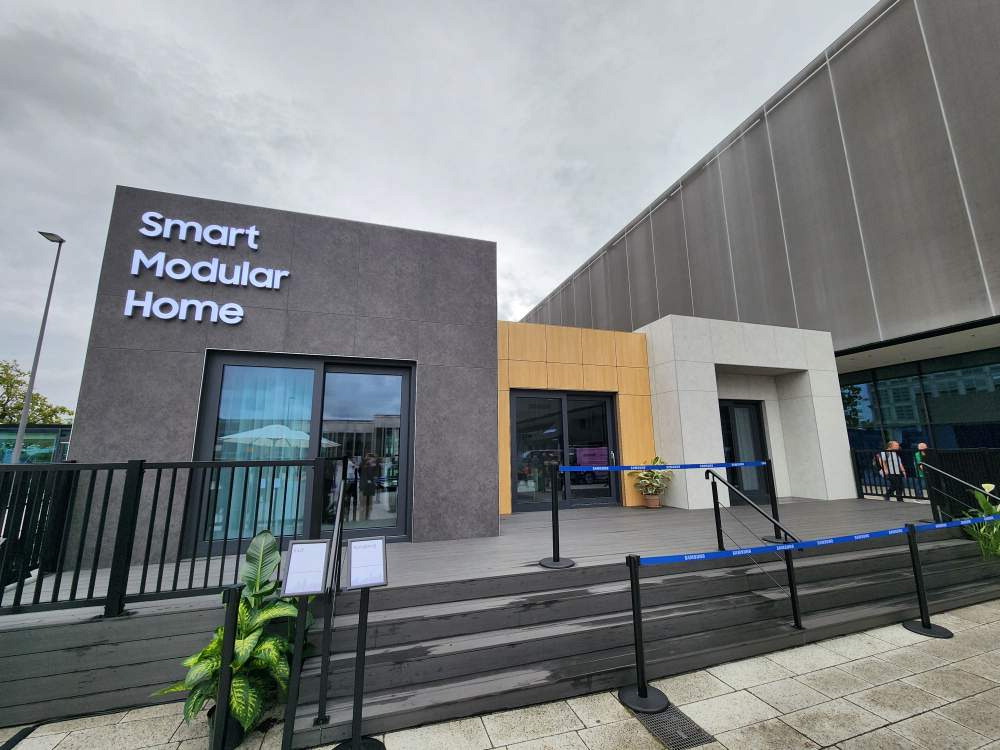
South Korea is trying something bold. The government has launched a pilot program to bring modular housing into its arsenal — not as niche tech experiments, but as part of a purchased-rentals scheme aimed at easing housing pressure. The details suggest that if this works, it could offer a new model for how governments can use innovation to meet affordability demands.
What Is Being Tried
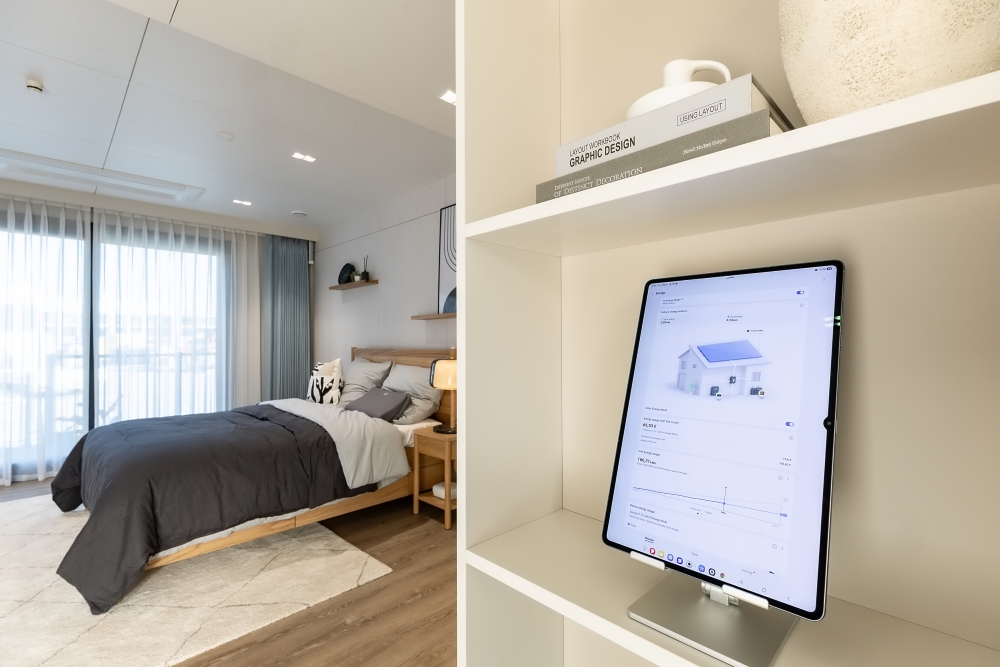
The Korean government is purchasing prebuilt modular units and then renting them out, shifting the focus from selling cheap homes to operating affordable rentals. These units are being placed in areas where housing demand is tight and where the usual supply lines — land, builders, and permitting — are either too slow or too costly. Modular construction was chosen because it allows much of the work to happen offsite in factory settings, reducing exposure to weather delays, site scheduling conflicts, and labor unpredictability. That can translate into shorter delivery times as well as better cost control.
The Promise and the Risks
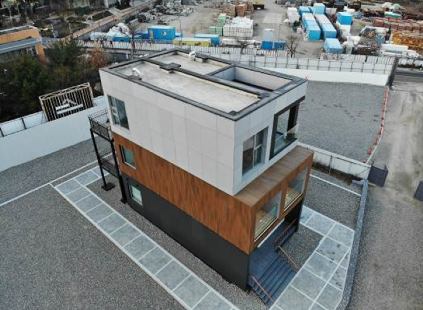
The program’s promise lies in its ability to provide immediate relief for renters. By owning the units and renting them directly, the government can keep rents lower and more stable than the open market, giving people stuck in housing cost traps a way out. It could also prove that modular housing is more than an emergency fix — that it can be a scalable tool in housing policy. If successful, this pilot could shift how public and private sectors see factory-built housing. On top of that, it forces bureaucracies to test faster procurement, factory sourcing, logistics, and regulatory coordination, which is where many housing policies traditionally fall apart.
But the risks are significant. Even though modular construction promises speed, local codes, inspections, utility hook-ups, and foundation work still have to be managed properly, and any delays could erase its advantage. Upfront costs for factories, shipping modules, and adapting units to different zoning and geographic conditions must be carefully controlled or the savings will vanish. Durability also matters. Modular does not mean cheap, and quality will determine long-term maintenance costs, tenant comfort, and public perception. And finally, how these modular units integrate into existing neighborhoods—with transportation, green space, and essential services—will play a major role in how they are received.

What This Says About the Broader Housing Challenge
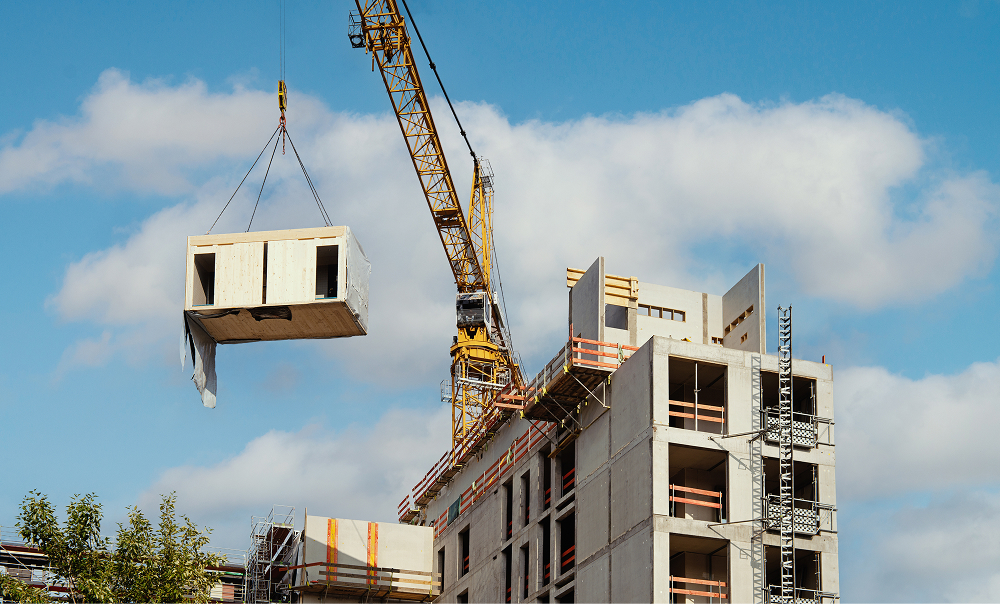
Korea’s pilot underlines a few bigger truths we’ve been talking about in housing policy innovation. Ownership and operation models are key; simply building homes is only half the battle—someone must manage, maintain, and offer affordable rents. Modular and other offsite methods are moving from fringe to front-line, but the gap between promise and practice is large. Success depends on coordinated systems—land, logistics, regulation, codes, maintenance, and resident experience—not just efficient factories. It also shows how much government roles matter, not only as regulators but as anchor buyers willing to absorb risk, set standards, and prove new models. The public sector often has to move first for market acceptance to follow.
What to Watch
If this pilot is going to be a blueprint for others, the numbers will need to tell the story. The true cost per unit from factory to occupancy, including all site preparations and permits, will show if modular actually saves money. The time from order to move-in will reveal if modular really speeds delivery. Rent levels compared to nearby housing will prove whether the program delivers affordability, while maintenance costs over time will test durability. Resident satisfaction will be equally critical, because housing that’s fast and cheap but not livable solves nothing. And finally, scalability will determine whether this can be expanded across cities and regions without losing quality or ballooning costs.
Modcoach Observes
Korea’s modular pilot is exactly the kind of experiment we need more of. It sidesteps some of the worst chokepoints — especially the time and cost errors baked into traditional construction and permitting systems. But it won’t magically fix housing affordability unless the execution is rigorous, the regulatory system adapts, and the state commits to being a long-haul steward, not just a showpiece.
We’ll be watching this one closely. If it works, it could become an important piece of the puzzle for any country — or any startup city — that wants affordable housing without sacrificing speed or quality.
.
With over 9,000 published articles on modular and offsite construction, Gary Fleisher remains one of the most trusted voices in the industry.
.
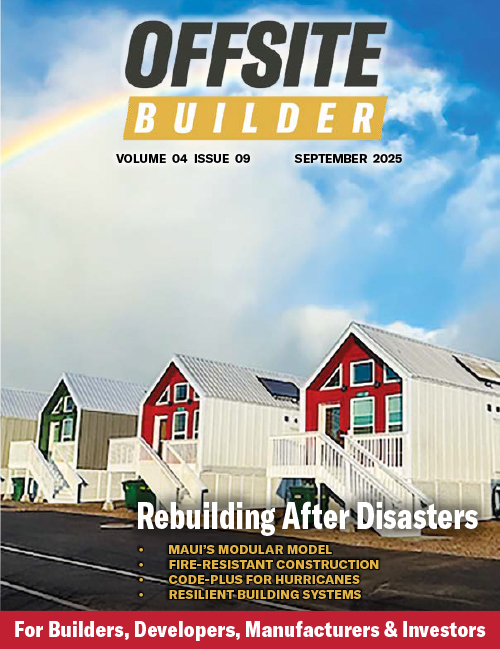
CLICK HERE to read the latest edition

Contact Gary Fleisher