


When a major steel company decides to become the largest stakeholder in a modular housing manufacturer, people in the offsite industry should pay attention. That’s exactly what happened when Majestic Steel USA invested heavily in SteelHomes Modular Corp., a Miami-based builder of steel-framed modular homes.
At first glance, this might look like just another investment story. But the deeper meaning could signal something much bigger for the future of offsite construction, especially in hurricane-prone states like Florida and across the southern U.S.
A Steel Company Looking Beyond Raw Materials
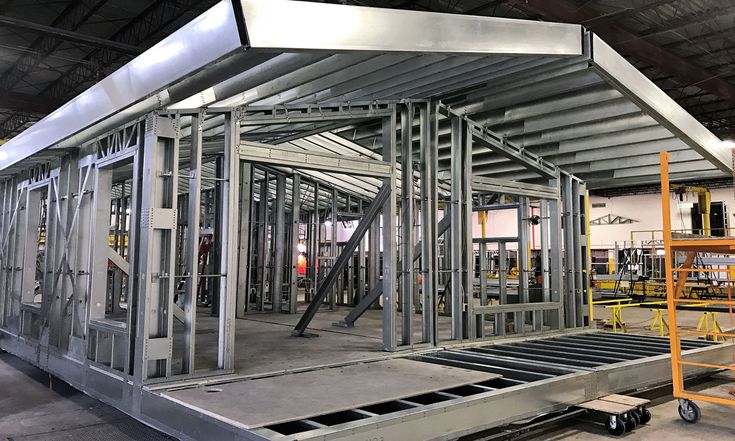
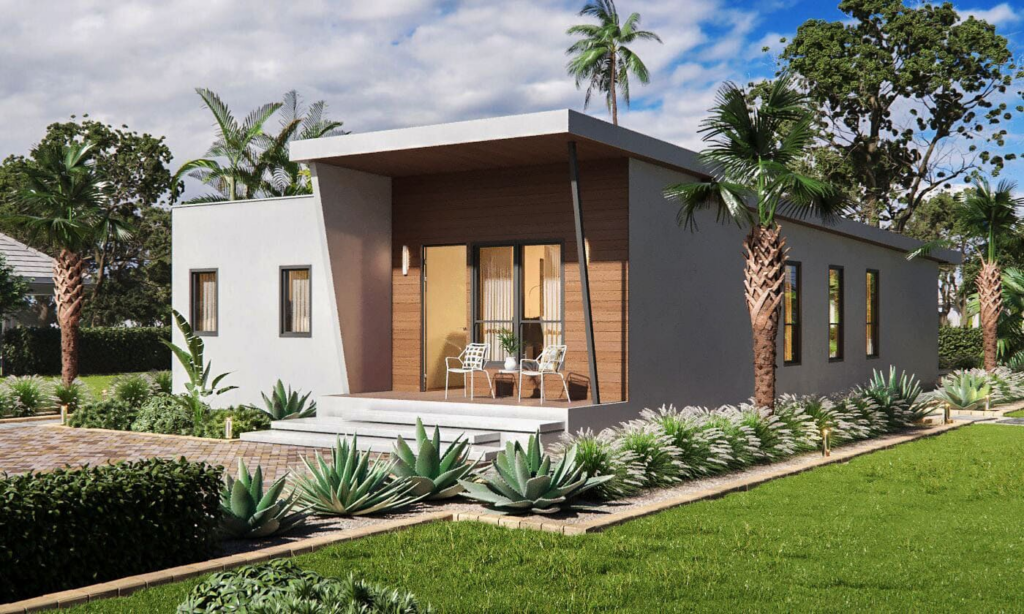
According to company statements, Majestic Steel sees factory-built housing as a smarter and faster way to build homes while also creating a new market for American-made steel. SteelHomes specializes in steel-framed modular homes designed for durability, speed, and resilience in high-wind regions.

What caught my attention is that this wasn’t simply a passive investment. SteelHomes had gone through bankruptcy and restructuring before Majestic stepped in as the largest stakeholder. That tells me Majestic Steel isn’t just testing the waters. They appear to believe strongly enough in modular construction to help stabilize and expand a company that already has manufacturing capabilities and market experience.
The Bigger Picture for Offsite Construction
The timing also makes sense.
Florida and much of the South continue facing a combination of housing shortages, labor shortages, rising construction costs, insurance pressures, and increasing storm risks. Traditional site-built construction is struggling to keep up in many markets. Steel-framed modular housing offers faster production schedules, more predictable quality control, and stronger resistance to weather-related damage.
For the offsite industry, this could become another example of large legacy manufacturers realizing modular construction is no longer a niche experiment. When a company deeply rooted in steel distribution decides to move upstream into housing production itself, it suggests they see long-term opportunity rather than a temporary trend.
I also think this reflects a larger shift happening quietly behind the scenes. Suppliers are beginning to recognize that controlling more of the supply chain may provide stability during uncertain economic cycles. Instead of simply selling raw materials into construction, companies may increasingly want ownership positions in the factories actually producing homes.
Modcoach Observation

For years, people inside the modular industry have been trying to convince outside investors that offsite construction represents the future of housing. What’s interesting now is that some of those outsiders are no longer waiting to be convinced. They’re buying their way in.
And when major industrial suppliers begin investing directly into modular factories instead of simply selling products to them, it could mark the beginning of a very different era for the offsite industry.