

Reaching a pinnacle of success in offsite modular construction is a significant achievement. Modular construction, renowned for its efficiency, sustainability, and cost-effectiveness, has revolutionized the construction industry. Yet, very few companies ever reach the point where consistent profitability becomes the norm year after year.
However, for those who have scaled this summit, a pressing question looms: What comes next? The avenues for growth and expansion are vast, but choosing the right path is pivotal to sustaining success in a competitive and ever-evolving industry. This article explores the strategic options available to successful modular construction companies, focusing on continuing existing operations, horizontal integration, and vertical integration. We’ll delve into the thought processes behind these decisions and assess their potential for sustained growth.
.
Continuing the Core: Expansion within Existing Frameworks
For a thriving offsite modular construction company, the allure of doubling down on proven strategies is strong. This approach centers on scaling up what the company does best: producing and selling more of its core offerings. The logic is straightforward—capitalize on established market presence, brand recognition, and the inherent value of proven products.
Expansion within existing frameworks can take several forms. Companies might:
- Enter new geographic markets where demand for modular construction is growing.
- Diversify their offerings within their core competencies, targeting sectors such as healthcare, education, or multi-family housing.
- Enhance their product line to include variations tailored to emerging trends, like net-zero energy homes or disaster-resistant modules.
The thought process here revolves around leveraging existing strengths while minimizing risk. Companies ask themselves: “How can we do more of what we’re already excelling at?” The success of this strategy hinges on market demand, the scalability of current operations, and the company’s ability to innovate within its niche. However, the risk of stagnation looms large. Relying solely on core offerings could make the company vulnerable to market saturation or disruptive industry shifts.
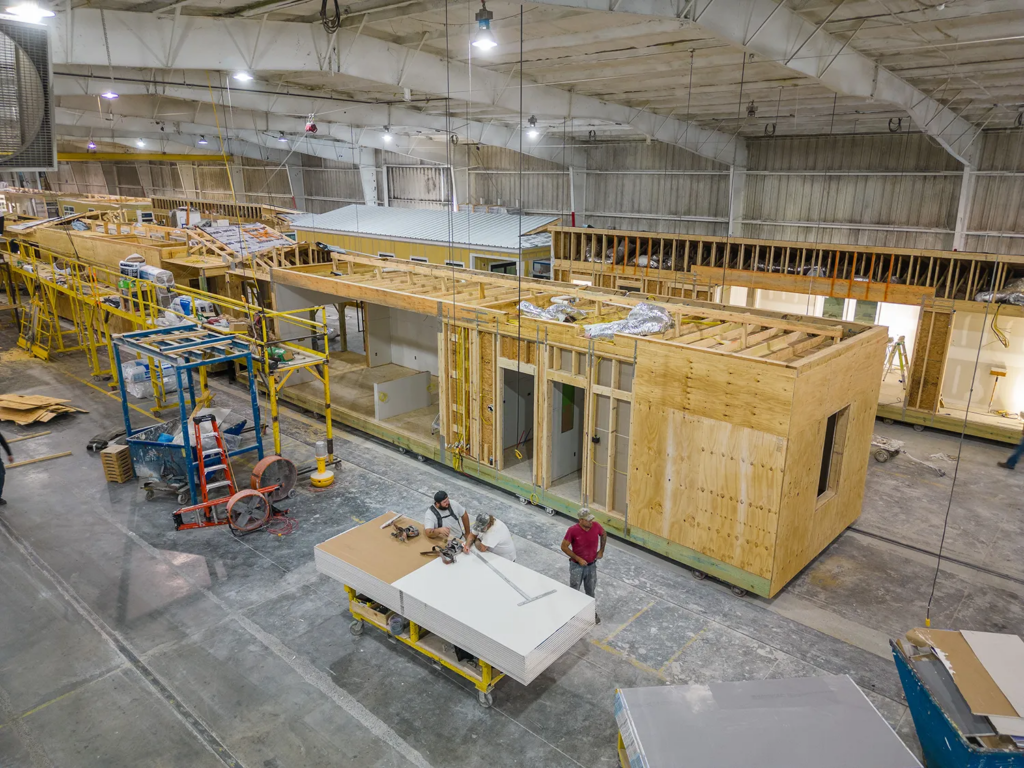
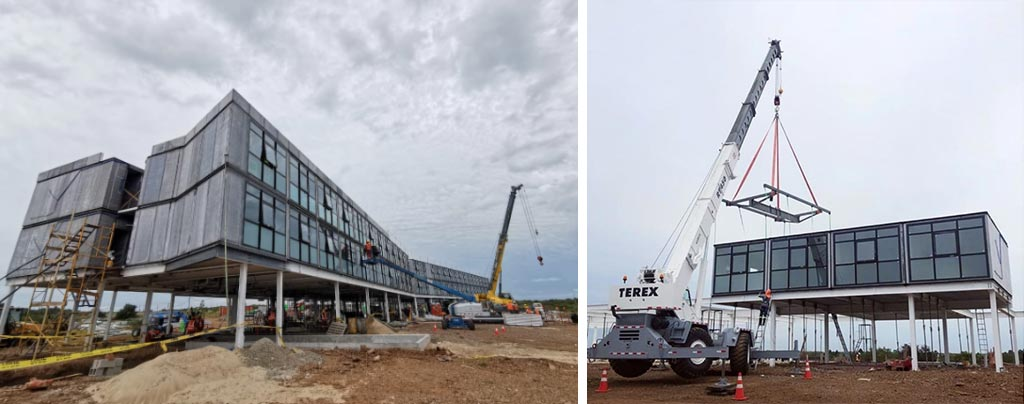
photos – Vantem Modular
Exploring New Horizons: Horizontal Integration
Horizontal integration offers an enticing path to growth. This strategy involves acquiring or merging with companies that offer similar products or services, potentially in different regions or market segments. For offsite modular construction firms, this could mean:
- Acquiring competitors in underserved regions to expand market reach.
- Partnering with modular designers or firms specializing in niche sectors like luxury modular homes or green building technologies.
- Consolidating smaller players in the supply chain to achieve economies of scale.
The thought process driving horizontal integration is centered on expanding market share and creating synergies. Key questions include: “How can we strengthen our competitive position? Can we diversify risk while enhancing our capabilities?”
While this approach offers opportunities for rapid expansion and market diversification, it is not without challenges. Integration issues, cultural mismatches, and regulatory hurdles can complicate mergers or acquisitions. The success of horizontal integration depends on selecting the right partners and ensuring seamless integration. Companies must also be prepared to manage the complexities of operating in new markets and addressing potential overlap in product offerings.

.
Building the Ecosystem: Vertical Integration
Vertical integration represents a comprehensive growth strategy by acquiring businesses along the supply chain. For modular construction companies, this could mean:
- Taking control of suppliers of key materials like cross-laminated timber (CLT) or steel.
- Acquiring transportation companies to streamline logistics.
- Investing in on-site finishing teams to ensure end-to-end quality control.
The primary motivation behind vertical integration is control and efficiency. Companies pursuing this path aim to reduce costs, eliminate dependencies, and streamline operations. The thought process involves questions like: “How can we improve margins by consolidating the supply chain? Can we enhance project timelines and quality by managing the entire process?”
This strategy offers significant advantages, including cost savings, improved quality assurance, and greater operational resilience. However, it demands substantial investment and a willingness to venture into areas beyond the company’s core expertise. Managing a more complex operation while maintaining focus on the primary business can be a daunting challenge. Additionally, vertical integration can expose the company to risks tied to supply chain volatility and unforeseen operational inefficiencies.
Weighing the Options: Balancing Risks and Rewards
The likelihood of sustained success depends on a company’s ability to evaluate and execute these strategies. Each path presents unique risks and rewards:
- Continuing with core operations offers stability and minimizes risk but may limit growth in a rapidly changing industry.
- Horizontal integration allows for quick market expansion and diversification but requires careful management of integration complexities.
- Vertical integration delivers greater control and efficiency but demands significant investment and operational expertise.
Successful companies often blend these strategies, adapting their approach as they grow. For instance, a company might start by solidifying its core business, then move into horizontal integration to expand market presence, and eventually pursue vertical integration to consolidate its supply chain.
Taking the Next Step: Strategic Decision-Making
For offsite modular construction companies pondering their next move, the path forward is as exciting as it is challenging. The decision between sticking to core operations, pursuing horizontal integration, or adopting vertical integration hinges on a deep understanding of the company’s strengths, market opportunities, and broader industry trends.
Companies must consider:
- Market Dynamics: Is there unmet demand in existing markets, or do new markets offer better opportunities?
- Financial Health: Does the company have the resources to invest in acquisitions or supply chain consolidation?
- Operational Capabilities: Can the company handle the complexities of integration without sacrificing its core business?
- Vision for the Future: Does the chosen strategy align with the company’s long-term goals and values?
Ultimately, the best strategy reflects a balance between ambition and pragmatism. While no path guarantees success, thoughtful planning and execution can pave the way for sustained growth and industry leadership.
Modcoach Note
The next chapter for successful offsite modular construction companies lies in strategic growth and adaptation. Whether it’s continuing with core strengths, expanding through horizontal integration, or consolidating the supply chain with vertical integration, the possibilities are immense. The key is to embrace change with a clear vision and an unwavering commitment to excellence.
By navigating these paths with foresight and agility, modular construction companies can solidify their position as industry pioneers, shaping the future of construction for years to come.
Gary Fleisher, The Modcoach, writes about the modular and offsite construction industry at Modular Home Source.
.

CLICK HERE to read the latest edition

Contact Gary Fleisher