




By Gary Fleisher
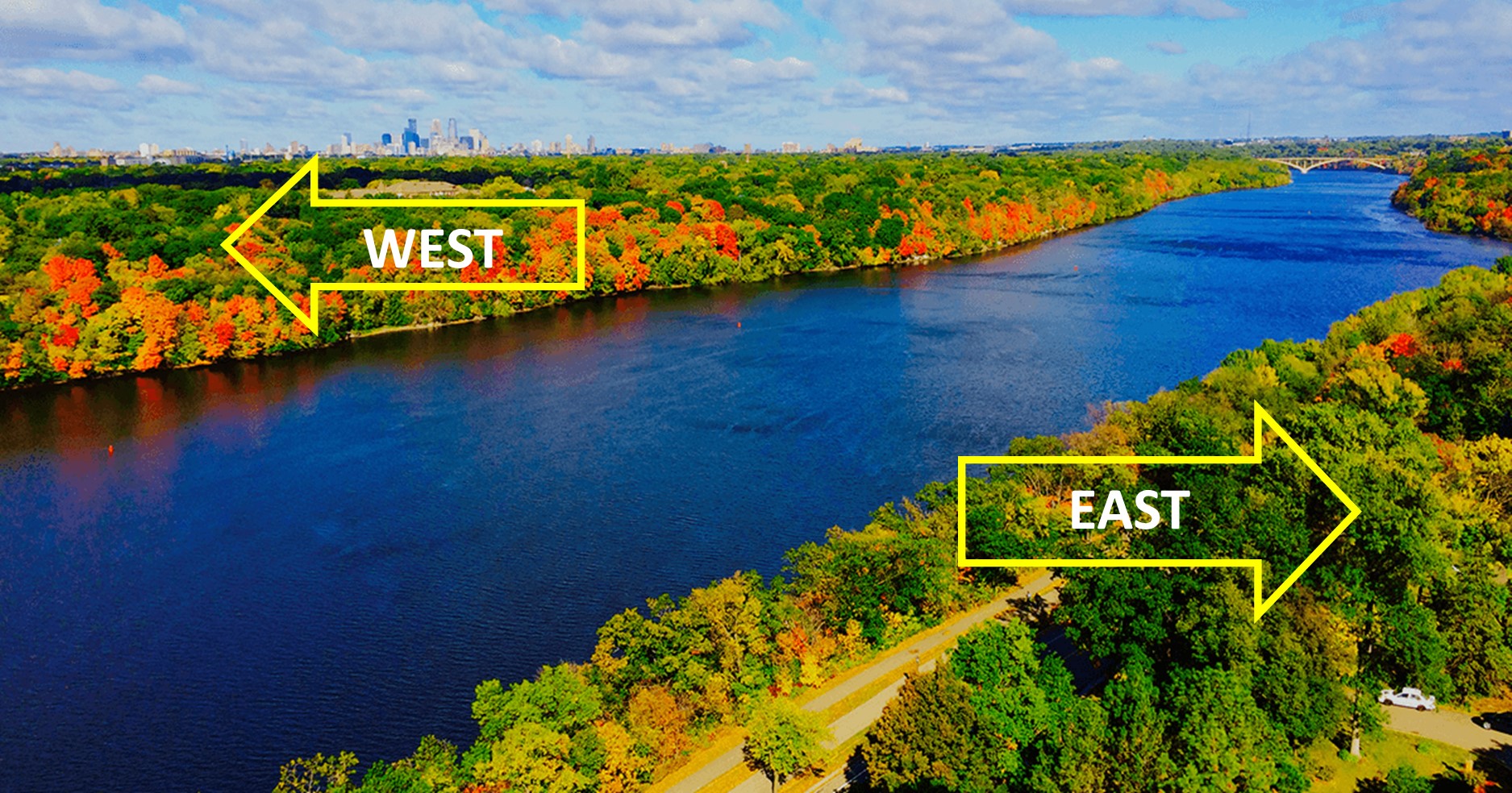
Spanning the breadth of America, the Mississippi River is not only an iconic natural wonder but also a marker of a profound economic divide that touches the dreams and possibilities of aspiring homeowners.
.
This exploration into the affordability of homes on either side of this divide reveals a tale of two vastly different American experiences. As I dissected the financial nuances of purchasing a home from the West to the East, I uncovered a complex landscape of economic opportunity and challenges that defines the nation’s housing market.
A Tale of Two Markets
The American housing market is a patchwork of diversity, shaped by an array of forces from local economic conditions to demographic shifts and land availability. The West, with its soaring mountains and sprawling coastlines, commands a premium for its breathtaking landscapes and booming tech sectors. Cities like San Francisco, Seattle, and Los Angeles have become emblematic of a housing market pushed to its limits, where even modest homes fetch astronomical prices. Conversely, the East presents a mosaic of affordability, offering havens of economic accessibility amidst pockets of urban extravagance.

West of the River: The High Cost of Paradise
.
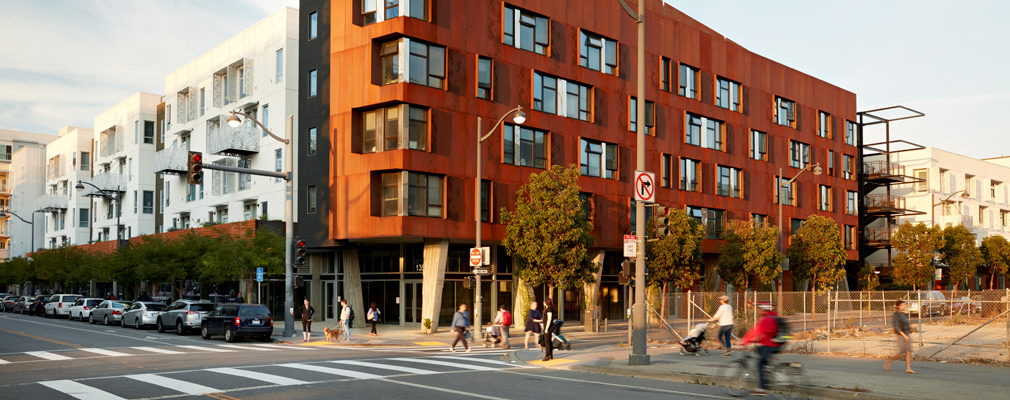
In the West, the pursuit of an affordable home is fraught with obstacles. States such as California and Washington exhibit property values that mirror their status as hubs of innovation and natural beauty. Here, the concept of “affordability” is relative, with homes in prime locations rarely dipping below the million-dollar mark. Yet, not all is lost for those seeking the Western dream. States like Arizona and Texas offer oases of affordability, where the American dream of homeownership remains within reach, with prices hovering between $200,000 to $300,000 for homes that promise a blend of comfort and opportunity.
East of the River: A Spectrum of Possibilities

.
The Eastern shores tell a different story, one where the American dream is not a distant mirage but a tangible reality for many. States like North Carolina and Georgia boast housing markets that welcome first-time homebuyers with open arms, offering properties that range from $150,000 to $250,000. Yet, as one ventures into the heart of cities like New York and Boston, the narrative shifts. Here, the cost of an affordable home skyrockets, challenging the very notion of “affordability” in contexts where demand far exceeds supply.
The Income Equation
Navigating the housing market is as much about what you can afford as it is about the price of a home. Financial experts often counsel that a home should not exceed three to four times one’s annual income, a guideline that paints a stark picture of disparity across the Mississippi. In the affluent West, affording a home priced at $300,000 demands an annual income that breaches the six-figure mark for many, while the more economical East offers solace to those earning less, with homes priced at $200,000 aligning with incomes as modest as $50,000.
Beyond the Price Tag
The journey to homeownership is paved with more than just the initial purchase price. Local taxes, the cost of living, insurance premiums, and the competitive zeal of the market itself all conspire to shape the true cost of buying a home. Eastern states, with their varied tax structures, and the West, with its insurance premiums driven up by natural risks, remind us that affordability is a multi-faceted beast, demanding a keen eye and careful planning.
The Dream of Affordable Housing
The dream of owning a home in America is a tapestry woven with threads of ambition, aspiration, and hard realities. As the housing market evolves, so too does the definition of what it means to find an affordable home across the vast expanse that lies to the West and East of the Mississippi River. For prospective homebuyers, the journey is as much about understanding these regional nuances as it is about finding a place to call home. Amidst the diversity of America’s economic landscape, the quest for a home is a personal pilgrimage, shaped by the unique contours of each individual’s financial and aspirational map.

CLICK HERE TO READ THE MARCH ISSUE
.

Gary Fleisher is a renowned blogger and commentator on construction and housing trends, known for his insightful analysis of the industry.