




Sacramento, California, may not be a bustling metropolis like some of the state’s coastal cities, but it faces the same daunting challenge when it comes to providing accessible affordable housing. Recent attempts by the city to construct affordable housing developments shed light on the formidable obstacles that developers encounter while striving to achieve this commendable goal.

One such endeavor began with a seemingly straightforward plan: to build an affordable, 43-unit housing complex exclusively for seniors within the heart of the city. However, when the project reached completion, the city had spent a staggering $27 million, resulting in a per-unit cost of $670,000. To put this into perspective, brand-new, high-end, three-bedroom homes in a luxury development were listed at a lower price, averaging $617,000. Unfortunately, this scenario is far from unique; it represents one of many instances where the dream of affordable housing translates into per-unit costs that exceed $600,000.
In early 2023, a nonprofit housing developer embarked on a mission to construct a 140-unit affordable housing project on Broadway. The initial projected cost was already substantial at $78 million. However, unforeseen complications arose, leading to the demolition of a vacant building on the proposed site. By the time the project was ready for occupancy, the final budget had ballooned to a staggering $94 million.
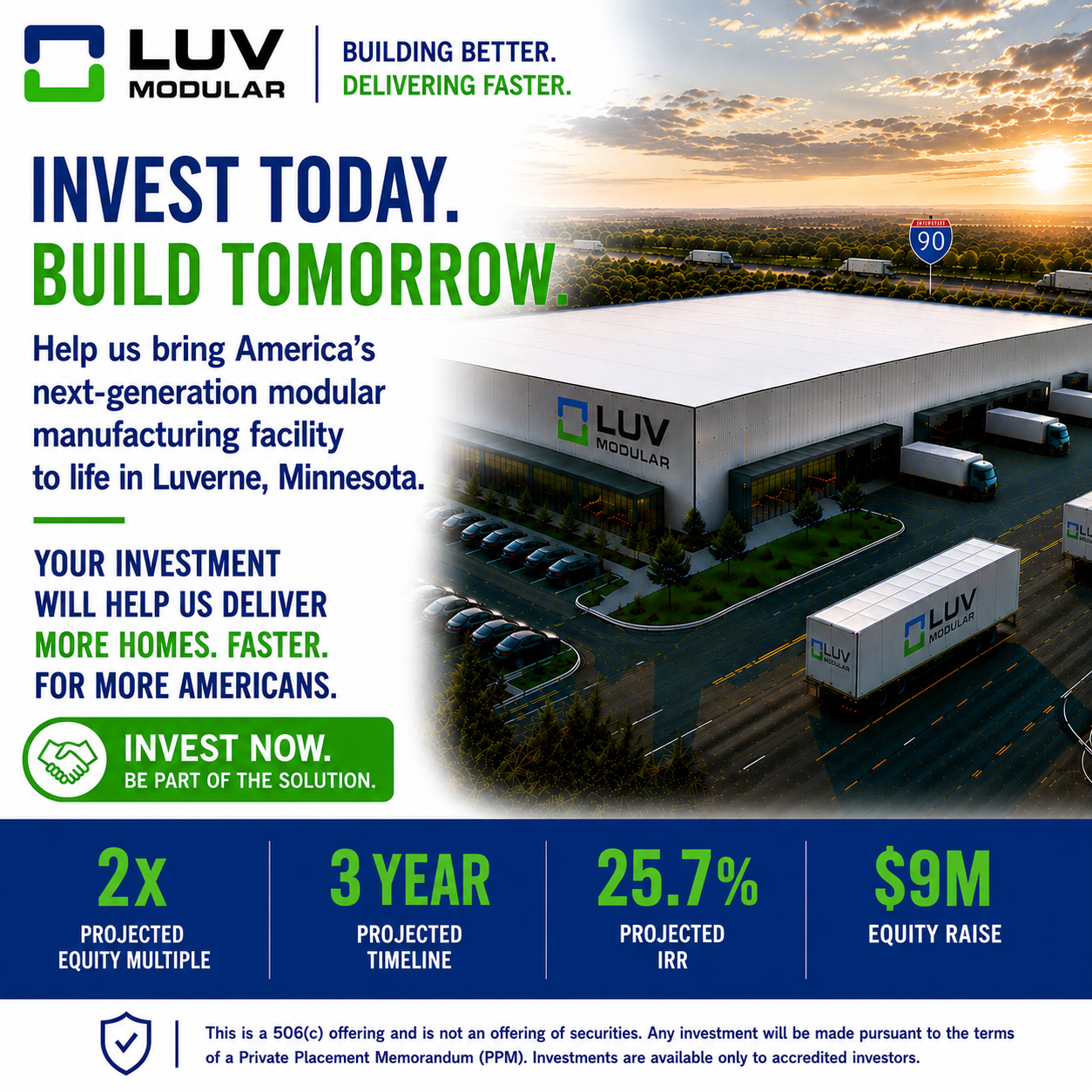
For developers opting for innovative construction methods like modular or manufactured housing, or other offsite construction techniques, additional challenges emerge in the form of an increased burden of regulations and permitting requirements.

Private developers, such as real estate investment trusts and real estate crowdfunding firms, face a daunting dilemma: the justification of these per-unit costs becomes feasible only if they can charge market-rate rents for the properties. These developers are profit-driven entities, accountable to shareholders expecting dividends on a quarterly or annual basis. Furthermore, shareholders anticipate substantial returns when the assets they funded are eventually sold.
The harsh reality is that private developers can only entertain reasonable expectations of profit when they operate in the luxury housing sector—an ironic twist in the quest for affordable housing.

The underlying reasons for this conundrum are intricate, but the extensive array of federal, state, and city regulations associated with building affordable housing undoubtedly serves as a formidable deterrent. By the time developers and builders navigate the labyrinth of regulatory hurdles and secure the necessary approvals for affordable housing projects, they frequently find themselves burdened with budgets that have spiraled out of control.
The ultimate solution to this pressing issue hinges on a harmonious effort between the business and legislative communities. This entails the government’s willingness to compromise on certain regulations and the provision of more enticing incentives to developers, such as expanded or innovative tax breaks—especially within designated opportunity zones.
Many developments face substantial delays, spanning months or even years, due to single lawsuits filed by well-funded groups of concerned residents who vehemently oppose the presence of affordable housing in their neighborhoods, often described as NIMBY (Not In My Backyard) syndrome.
The challenge of building affordable housing while maintaining profitability remains a complex issue, plagued by regulatory hurdles, budget overruns, and community opposition. Finding a workable solution requires a collaborative effort between developers, legislators, and the affected communities to strike a balance that benefits all parties involved and, most importantly, ensures the availability of affordable housing for those in need.
.

CLICK HERE TO READ NOVEMBER’S ISSUE
.

Gary Fleisher, the Modcoach