



The American dream of homeownership has been a cornerstone of middle-class life for decades. However, in recent years, the traditional single-family home has rapidly slipped out of reach for a significant portion of the population, even for those earning a solid income. As home prices soar and construction costs rise, prospective homeowners are finding themselves priced out of the market. Amid this growing crisis, there’s an increasing demand for alternatives. Affordable housing solutions like Accessory Dwelling Units (ADUs), Park Models, tiny homes, and build-to-rent communities are emerging as potential answers to the problem. But what will it take for these options to become the mainstream?
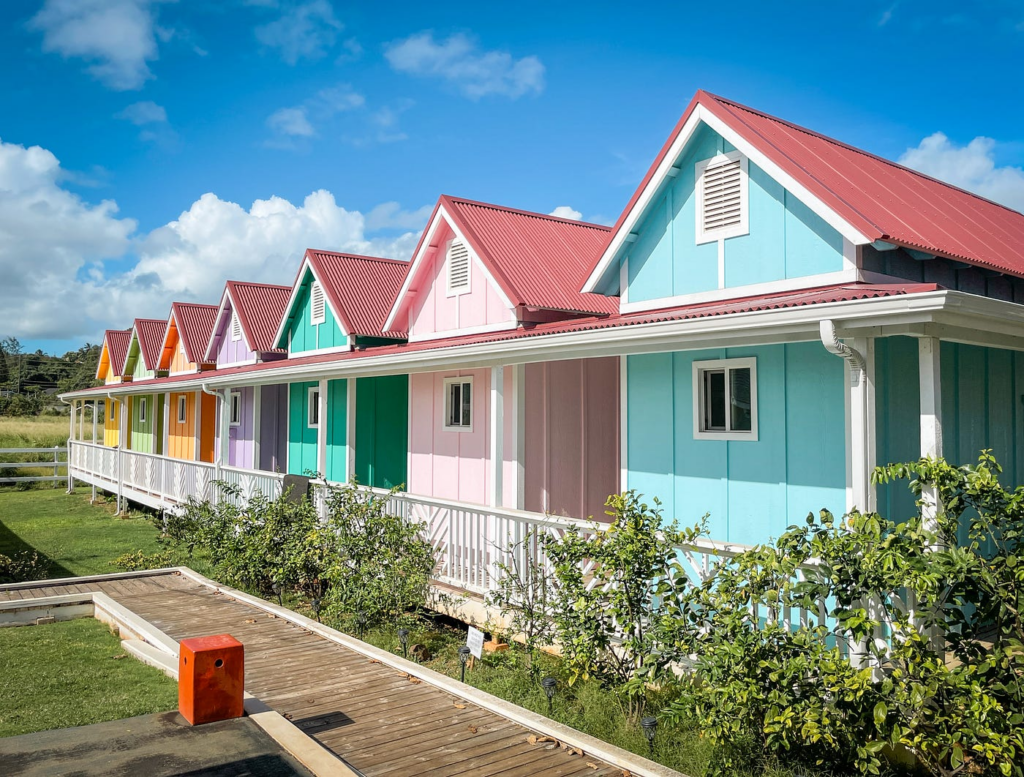
Let’s explore the current state of affordable housing, what drives the growing interest in alternative living spaces, and the structural changes needed to create communities that meet the needs of new home buyers who simply can’t afford traditional single-family homes.
The State of Homeownership: A System Under Strain
For decades, single-family homes have been the default housing option for many Americans. However, escalating home prices, particularly in metropolitan areas, have made ownership unattainable for a large segment of potential buyers. According to the National Association of Realtors, the median sales price of a home in the U.S. now sits at over $400,000, a figure well beyond the means of middle-income families in most parts of the country.
Rising home prices are compounded by stagnant wages and increasing student debt, creating a financial barrier for younger generations who traditionally would have entered the housing market. This has led to a growing population of renters, some by choice but most by necessity, who are looking for alternatives to the unaffordable single-family home.
The Rise of Alternative Housing Models
The concept of affordable housing has evolved from large-scale apartment complexes and government-subsidized projects to more innovative and scalable solutions. As homeownership remains elusive, a new wave of housing models is beginning to take shape, each offering a potential answer to the affordability crisis:
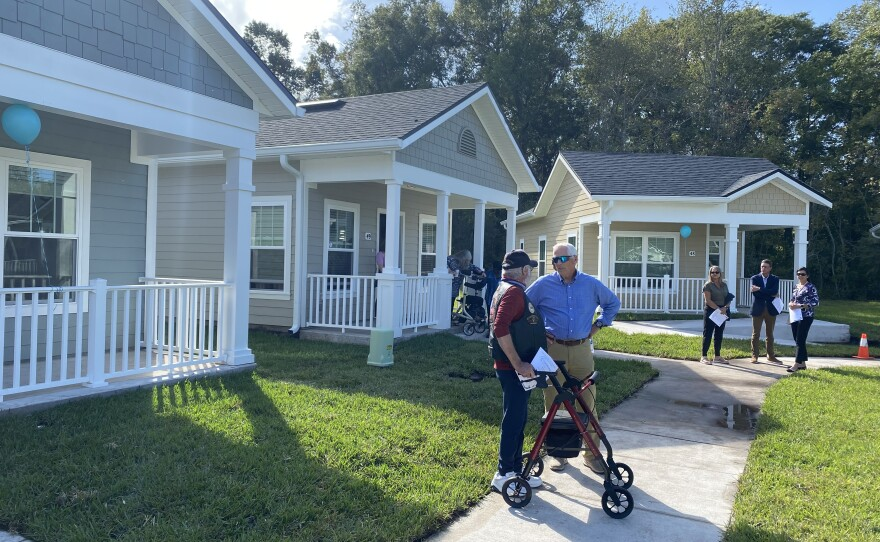
Accessory Dwelling Units (ADUs): Small, secondary housing units built on the same lot as a primary residence, ADUs offer a solution for those looking to downsize without leaving their neighborhoods. They also provide homeowners a way to generate rental income, while contributing to local housing supply.
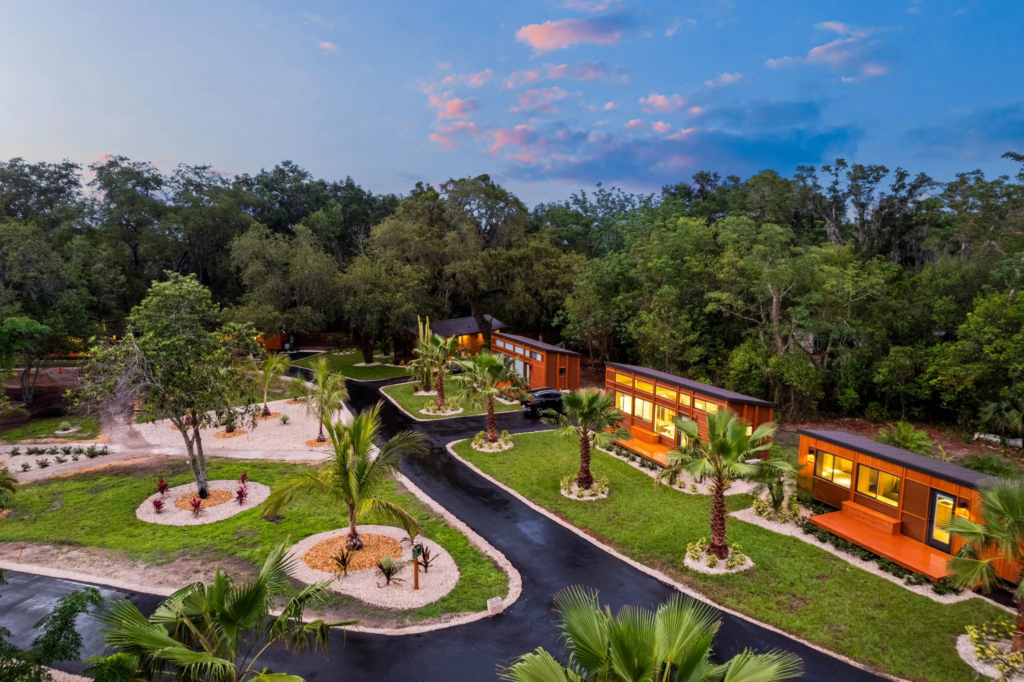
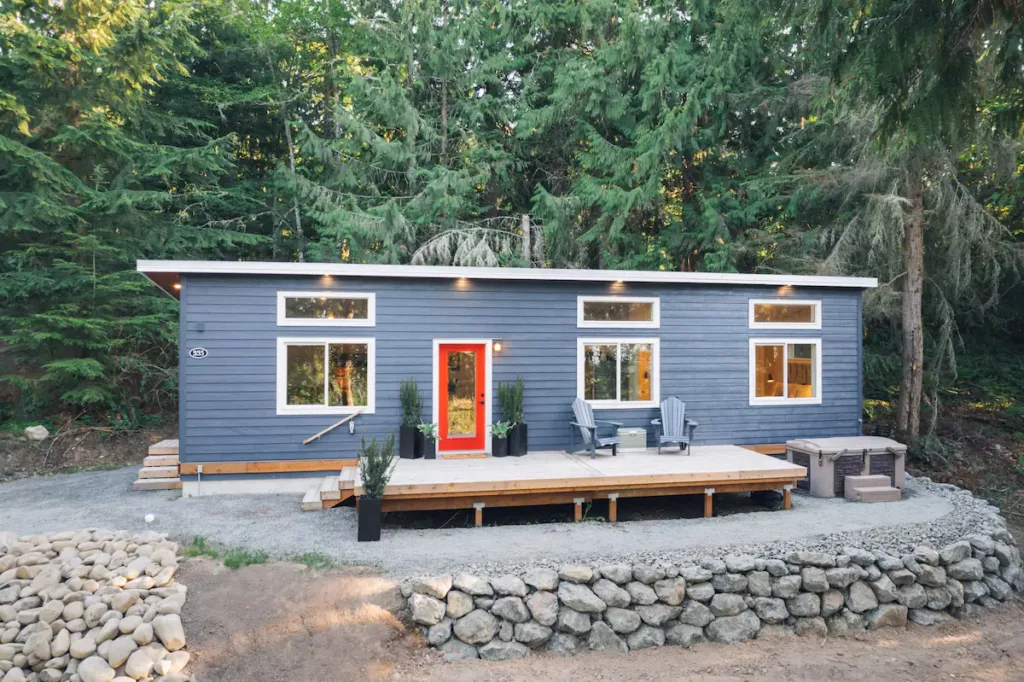
Park Models: Often used in vacation communities, these small, mobile homes are gaining popularity as permanent residences. Offering a lower-cost alternative to traditional single-family homes, Park Models can be part of larger, planned communities that cater to new buyers seeking affordable options.
Tiny Homes: Typically between 100 and 400 square feet, tiny homes represent the ultimate in minimalism. While they may not appeal to every homebuyer, the tiny home movement has gained significant traction among millennials, retirees, and those seeking financial freedom. Tiny home communities have started to form, but they are still on the fringes of mainstream housing.

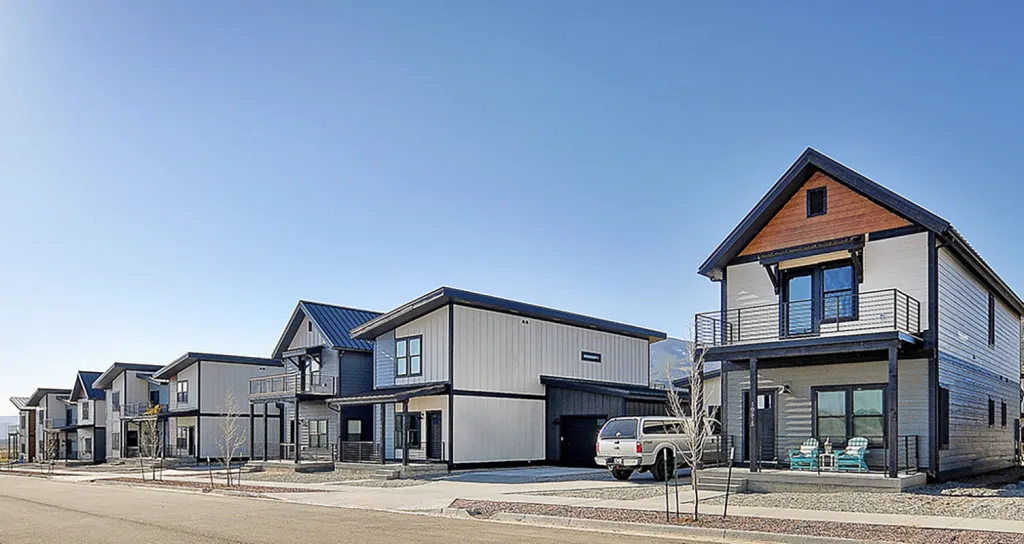
Build-to-Rent Communities: A more recent trend, build-to-rent (BTR) communities are designed with renters in mind. Instead of traditional apartment complexes, these communities consist of single-family homes that are constructed specifically to be rented. They provide a housing option for those who want the space and amenities of a house but are unable to buy.
The Shift Toward Planned Communities
While alternative housing models are appealing, their widespread adoption is hindered by one major challenge: zoning regulations. Much of the U.S. is zoned for single-family homes, meaning that developers face significant hurdles in creating communities that cater to ADUs, tiny homes, or Park Models. To see these types of housing solutions truly take off, zoning and land-use regulations will need to be reformed.
For example, ADUs are currently restricted or banned in many municipalities. Even in places where they are allowed, the permitting process can be lengthy and prohibitively expensive. Some cities, however, are starting to see the potential in ADUs and are changing their policies to encourage their construction. California, for instance, passed legislation in 2020 that streamlines the approval process for ADUs, allowing for greater density in existing neighborhoods without the need for massive new developments.
Park Models and tiny homes face similar regulatory challenges. Often classified as recreational vehicles (RVs), they are subject to strict regulations that prevent them from being used as permanent residences in many areas. However, as the demand for affordable housing grows, more jurisdictions are beginning to look at how these alternative housing models could fit into their long-term housing plans.
Financing and Infrastructure: The Next Hurdles
Even if zoning regulations were to change, there are still significant financial and infrastructural challenges that must be addressed. Traditional mortgage lenders are hesitant to finance ADUs, tiny homes, and Park Models because they don’t conform to the conventional real estate model. Alternative forms of financing, such as personal loans or community-based lending programs, will likely need to be developed to support these types of housing models.
Another obstacle is infrastructure. Many existing neighborhoods are not equipped to handle the increased density that ADUs or tiny homes would bring. Roads, sewer systems, and utilities would need to be upgraded in order to support the influx of new residents in alternative housing models. This would require a significant investment of both time and money.
Build-to-Rent: A Ready-Made Solution?
One of the more promising solutions on the horizon is the build-to-rent model. Because these communities are designed specifically for renting, they bypass many of the regulatory and financing issues that plague ADUs and tiny homes. Build-to-rent developments are already seeing success in markets like Phoenix, Dallas, and Charlotte, where high home prices have pushed more people into the rental market.
These communities offer the benefits of single-family living—yards, garages, and more space—without the upfront costs of homeownership. For young professionals, families, and even retirees, BTR communities provide a viable alternative to traditional homeownership.
What Will It Take to See These Communities?
The path to a future where alternative housing models like ADUs, Park Models, tiny homes, and BTR communities become mainstream is clear, but it requires significant action on several fronts:
Regulatory Reform: Zoning and land-use regulations must evolve to allow for greater flexibility in housing options. This will require advocacy at the local and state levels to create the necessary policy changes.
Financing Innovation: New financing models need to be developed to support buyers who are interested in these alternative housing options. Traditional mortgages may not be viable, but other forms of lending could fill the gap.
Infrastructure Investment: Communities must invest in upgrading their infrastructure to handle increased density. This will ensure that these new types of housing can be integrated into existing neighborhoods without overwhelming local resources.
Cultural Acceptance: Finally, there needs to be a shift in cultural perception. Many people still view ADUs, tiny homes, and Park Models as inferior to traditional single-family homes. Changing this mindset will be critical to the widespread adoption of alternative housing models.
Modcoach Note
As traditional single-family homes become increasingly unaffordable for middle-income Americans, the need for innovative housing solutions is greater than ever. While there are challenges to overcome, the rise of ADUs, Park Models, tiny homes, and build-to-rent communities offers a glimmer of hope. If the necessary regulatory, financial, and infrastructural changes are made, these alternative models could provide a much-needed solution to the affordable housing crisis—and potentially reshape the future of homeownership in America.
.

CLICK HERE to read the latest edition

Contact Gary Fleisher