
Risks Investors Can’t Afford to Ignore
Investors flock to new modular home factories, enticed by the promise of high returns and a booming housing market. Yet, in the rush to capitalize on this growing industry, many overlook critical factors beyond simple return on investment (ROI). Ignoring these factors could lead to dire consequences for investors and the industry as a whole.

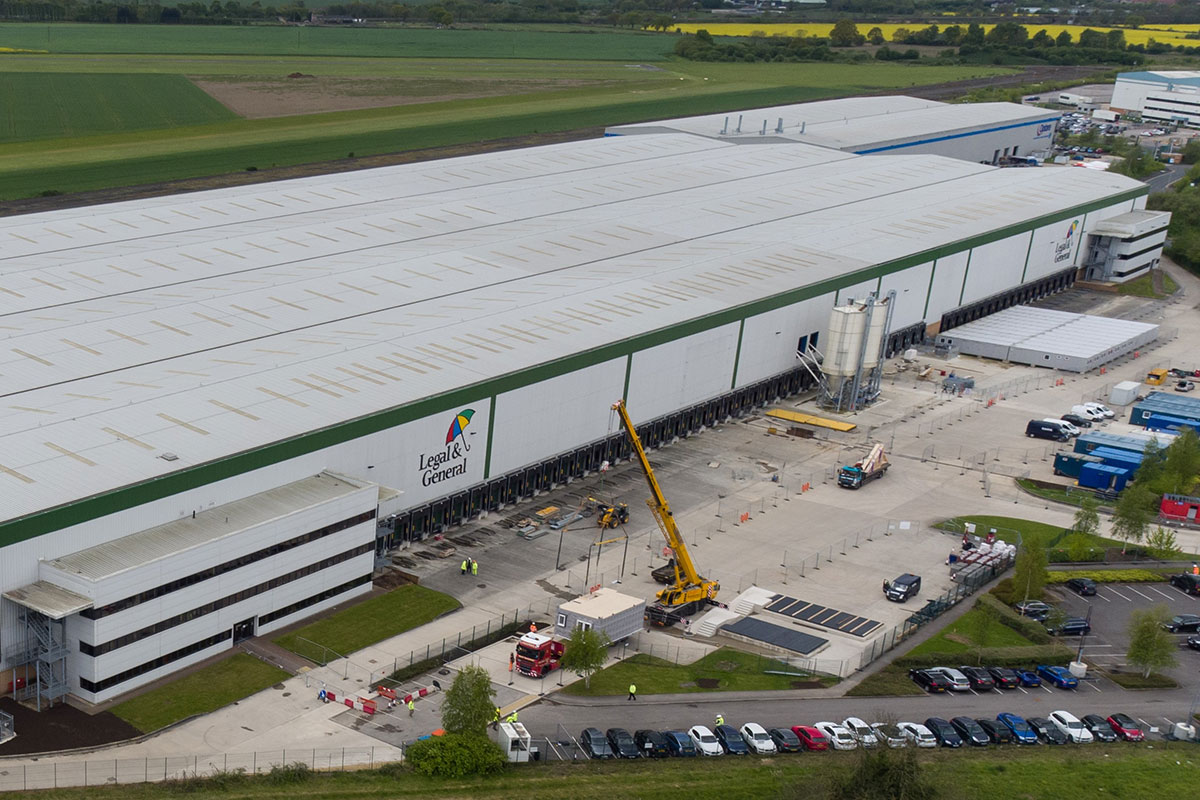
photos – L&G modular
The Allure of ROI:
It’s easy to understand why investors are drawn to modular home factories. With the potential for streamlined production, reduced construction times, and lower costs, the promise of attractive ROI seems within reach. However, focusing solely on ROI can blind investors to the broader landscape of risks and opportunities inherent in the modular construction sector.
The Forgotten Factors
Market Dynamics: Investors often underestimate the importance of understanding market dynamics. Failing to assess market demand, competitive pressures, and industry trends can leave investors vulnerable to shifts in consumer preferences and economic downturns.
Operational Efficiency: While efficiency is a cornerstone of modular home manufacturing, investors may overlook the complexities of scaling production and managing supply chains. Without robust operational capabilities, factories can struggle to meet demand or maintain quality standards, eroding investor confidence and market reputation.
Quality Control and Innovation: Neglecting quality control measures and innovation stifles long-term success. Investors must prioritize factories that uphold rigorous quality standards and embrace innovation to stay ahead of the competition and meet evolving consumer expectations.
Sustainability and Compliance: In an era of heightened environmental awareness and regulatory scrutiny, sustainability and compliance are non-negotiable. Ignoring these factors not only risks reputational damage but also exposes investors to legal and financial liabilities.
Risk Management: Every investment carries inherent risks, but overlooking risk management strategies amplifies these risks exponentially. From supply chain disruptions to labor shortages and market volatility, proactive risk management is essential to safeguard investor interests.
Consequences of Neglect
The consequences of overlooking these factors are manifold and far-reaching. Investor disillusionment, factory closures, and industry stagnation are just the tip of the iceberg. Poorly managed factories may churn out subpar products, tarnishing the reputation of modular homes and undermining consumer confidence. Regulatory violations and environmental controversies can lead to costly fines, litigation, and even shutdowns, leaving investors with depleted portfolios and tarnished reputations.
The Path Forward
Investors must adopt a holistic approach to modular home factory investments, one that goes beyond chasing short-term gains. Thorough due diligence, strategic foresight, and a commitment to sustainable growth are essential. By prioritizing market dynamics, operational excellence, quality control, sustainability, and risk management, investors can mitigate risks and position themselves for long-term success in the dynamic world of modular home manufacturing.
As the modular home industry continues to expand, investors must recalibrate their investment strategies to account for the multifaceted risks and opportunities inherent in this sector. By paying heed to the overlooked factors outlined above, investors can forge a path toward sustainable growth, profitability, and industry leadership. Failure to do so could spell disaster, not only for investors but for the entire modular home ecosystem.
.

CLICK HERE TO READ THE APRIL ISSUE
.

Gary Fleisher is a renowned blogger and commentator on construction and housing trends, known for his insightful analysis of the industry.