



When I recently asked several general managers at some of the oldest modular home factories in the United States two simple questions — “How did 2025 treat your company?” and “What does the spring of 2026 look like?” — their answers told a story that’s both reassuring and revealing.
A Good Year, But Not the Best It Could Be
Across the board, 2025 has been a good year for modular home factories — not a record-breaker, but a solid one. Most of these long-established companies stayed profitable despite facing the same headwinds that have challenged the broader construction industry: fluctuating demand, higher costs, and hesitant developers.
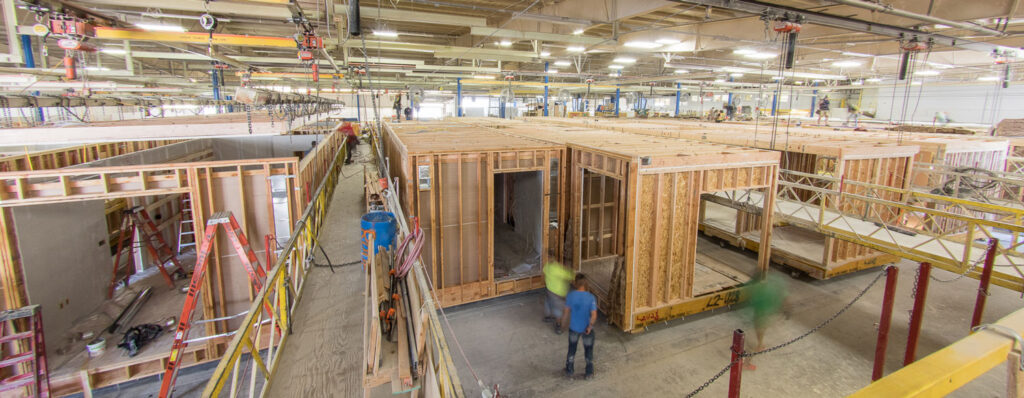
A few factory GMs mentioned that some single-family home builders experienced customer cancellations this year, while several developers decided to pause or push projects into 2026. Yet, even with those delays, these factories have managed to remain in the black — a sign of both discipline and adaptability.
Renewed Interest and Fresh Faces
Perhaps the most encouraging trend is who’s showing up at industry conferences. One GM told me that the mix of attendees has shifted noticeably — more developers, more representatives from government agencies, and even nonprofit organizations are exploring modular for the first time.
That kind of attention doesn’t just validate the industry’s staying power; it signals a broader recognition that modular construction isn’t a niche solution anymore. It’s a viable, scalable, and increasingly respected way to meet housing needs — from workforce developments to emergency shelters and long-term affordability projects.
Shared Challenges, Familiar Frustrations
Of course, even optimism comes with caveats. Every GM I spoke with mentioned the same concerns: rising wages, escalating material costs, more stringent regulations, and transportation expenses that seem to inch higher by the month.
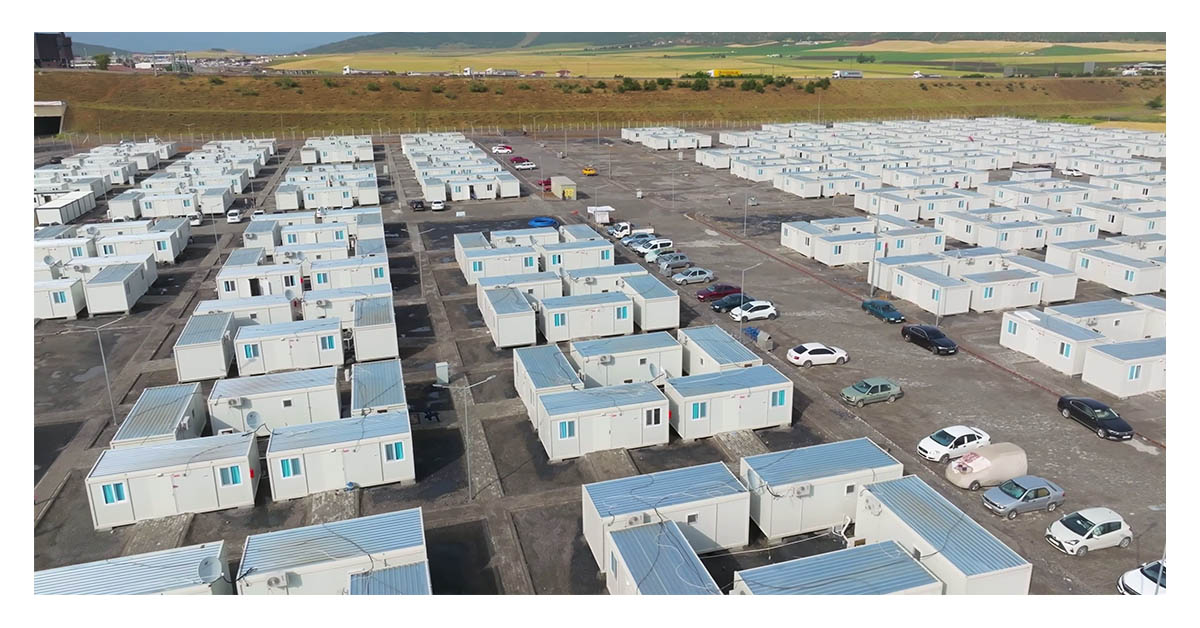
And while a few voiced support for President Trump’s economic policies, some admitted to uncertainty about his proposed tariffs and their potential impact on building materials. They’re hopeful — but cautious — about how those decisions might ripple through their supply chains.
Still, the overall tone wasn’t defeatist. These veterans have seen market cycles come and go, and they’ve learned to adjust without losing sight of long-term goals. Their brand of “conservative optimism” isn’t about fear — it’s about focus.
Looking Ahead to 2026
Spring 2026 already looks promising. Many factories are quoting new projects for early starts, particularly multifamily and infill developments. The appetite for modular housing remains strong, even if financing and permitting timelines sometimes test everyone’s patience.
As one GM put it, “We’re not sprinting into 2026 — we’re pacing ourselves. But we’re moving forward.” That mindset might just define the next chapter of modular construction.
What About the Newcomers?
If this is the tone among the older, more experienced factory leaders — those who have weathered recessions, code changes, and countless “modular is the future” headlines — it raises a compelling question: what will startup factory owners face next year?
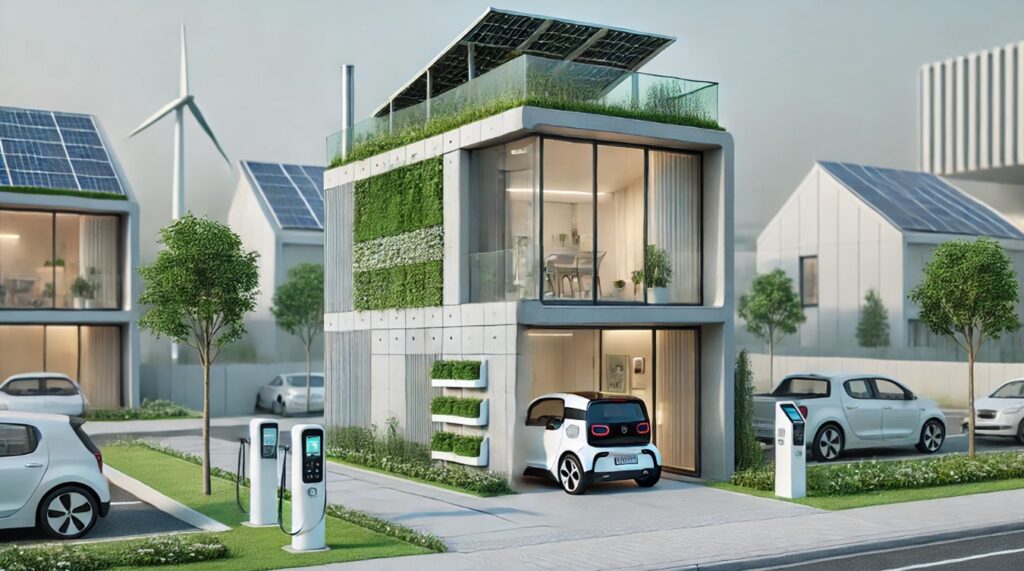
New entrants will likely confront the same realities, but without the safety net of experience or brand recognition. Their optimism will need to be matched by strong planning, disciplined cash flow, and realistic timelines. Yet they may also benefit from the growing curiosity and acceptance surrounding modular methods — a foundation built by those long-standing factories that proved the concept works.
A Season of Steady Growth
As 2025 winds down, the modular industry stands on firm ground. It’s not a boom, and it’s not a bust — it’s a period of steady, thoughtful growth. For the veterans, it’s another year of measured progress. For the newcomers, it’s an open door to opportunity.
The future, it seems, belongs to those who can balance optimism with realism — who can look beyond the short-term turbulence and see what’s truly being built: not just homes, but confidence in a better, more modular way forward.
.
With over 9,000 published articles on modular and offsite construction, Gary Fleisher remains one of the most trusted voices in the industry.
.
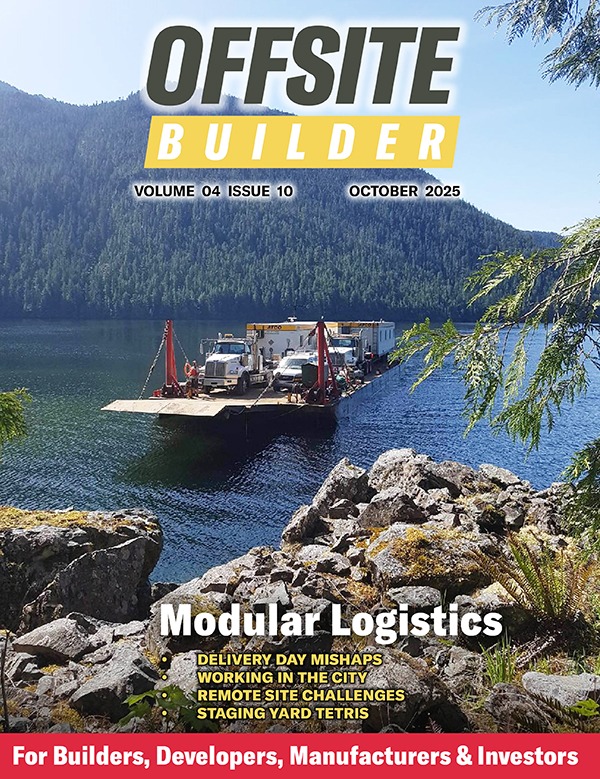
CLICK HERE to read the latest edition

Contact Gary Fleisher