




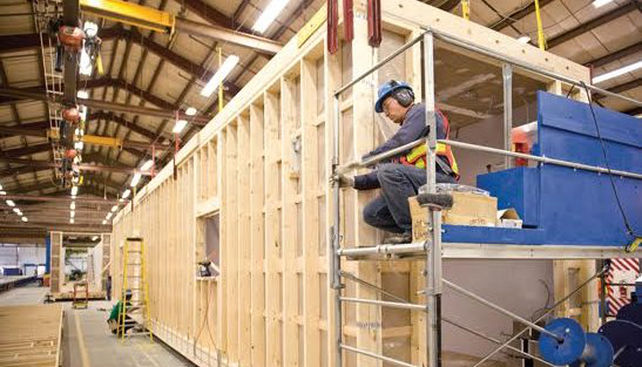
The other day I was watching a show about remodeling a home where they opened the walls between the kitchen, dining room, and living room. The homeowner wanted the new room to be completely open, but the contractor’s experience showed that it was impossible because the home needed to retain the load-bearing support of the roof.
In residential construction, load-bearing walls play a critical role in supporting the structure and distributing the building’s weight. Understanding the basics of load-bearing walls is essential for homeowners, architects, and aspiring builders alike. I thought it was time to explain “the basics” of what load-bearing walls are, their importance, and some key considerations when dealing with load-bearing walls in residential construction.
It’s especially important to the modular housing industry.
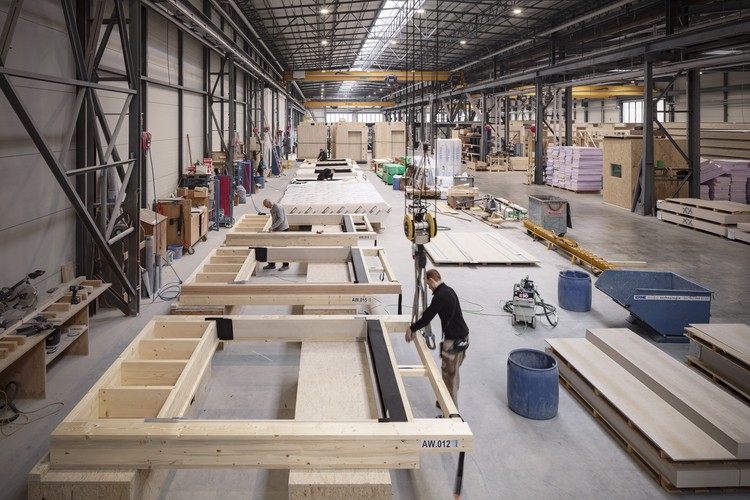
Load-bearing walls are an integral part of a building’s structural system. As the name suggests, these walls bear the load of the structure, transferring it to the foundation and ensuring the building’s overall stability and safety. Unlike non-load-bearing or partition walls, which primarily divide spaces, load-bearing walls are crucial for maintaining the structure’s integrity.
Load-bearing walls are responsible for:
Vertical Support: Load-bearing walls vertically support the weight of the floors, roof, and any additional loads such as snow or wind forces.
Horizontal Support: They provide lateral stability and resistance against horizontal forces like wind or earthquakes, preventing the structure from collapsing or deforming.
Load Distribution: Load-bearing walls evenly distribute the weight they bear to the foundation, ensuring the building’s stability over time.

Identifying Load-Bearing Walls
It’s important to identify load-bearing walls before building a new home or making any modifications to an existing residential structure.
Blueprints and Building Plans: Reviewing the original architectural plans can provide valuable information about load-bearing walls.
Structural Engineers or Architects: Consulting with professionals who can analyze the structure can help identify load-bearing walls.
Observing Wall Alignments: Load-bearing walls are typically aligned with the building’s foundation and run perpendicular to floor and roof joists.
Wall Thickness: Load-bearing walls are often thicker than non-load-bearing walls because they must support greater loads.
Beam and Column Placement: Beams and columns are commonly found above or adjacent to load-bearing walls, indicating their supportive function. This is usually evident in modular and manufactured homes if more than one module is used. The wall where the modules join is called the marriage wall and is supported underneath by block or steel columns.
Remodeling
When planning renovations or modifications involving load-bearing walls, it’s essential to seek professional advice from a structural engineer or architect to assess the feasibility of any proposed changes and ensure structural integrity.

You will need to check with local building authorities and obtain the necessary permits before starting any construction work involving load-bearing walls. If removing or modifying a load-bearing wall is necessary, temporary supports, such as beams, columns, or wall jacks, may be required to maintain the structure’s stability during construction.
If removing a load-bearing wall, an alternate load path must be established to redistribute the weight to other supporting elements, such as beams, columns, or new load-bearing walls. In some cases, load-bearing walls may need reinforcement or strengthening using retrofitting techniques such as steel bracing or carbon fiber reinforcement.
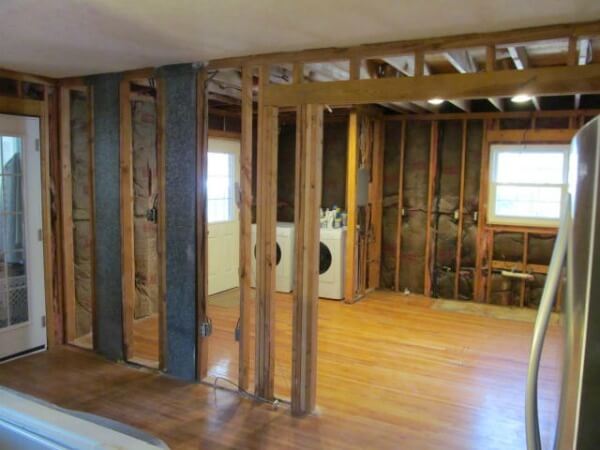
Load-bearing walls are the backbone of residential construction, providing structural support and maintaining a building’s stability. Recognizing load-bearing walls, understanding their significance, and following proper procedures when dealing with them is essential for any construction project.
Remember, it is always advisable to consult with professionals before making any modifications to ensure the safety and integrity of your residential structure. By prioritizing these considerations, you can confidently navigate the world of load-bearing walls in residential construction.
Modcoach Observation

Over the years, I’ve watched plenty of homeowners, developers, and even first-time builders look at a wall and think of it as just another divider between rooms. In reality, some of those walls are quietly carrying thousands of pounds of structural weight every single day. Removing one without understanding what it does can turn a dream renovation into a dangerous and very expensive lesson.
In offsite and modular construction, we deal with this reality constantly. Marriage walls, beams, columns, and engineered load paths aren’t just technical jargon—they’re the hidden systems that keep homes standing safely for decades. Whether it’s a site-built home or a modular one, gravity never takes a day off. That’s why smart builders and remodelers never start with a sledgehammer. They start with engineering.