





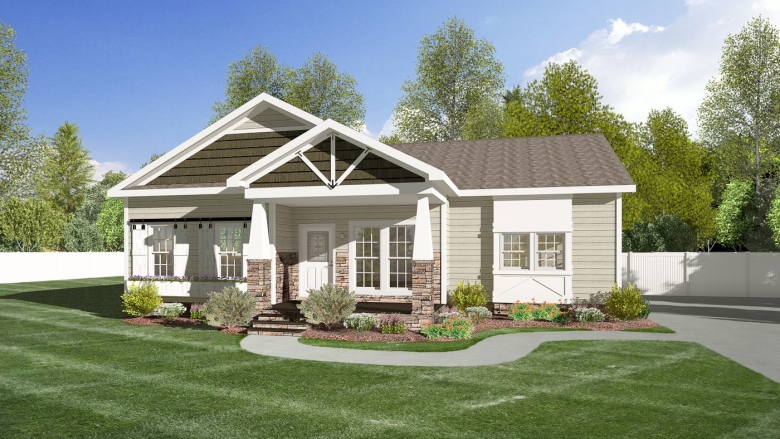
America can fill a supermarket aisle with bottled water, deliver a television to your front door, and build enormous warehouses to hold things we haven’t decided to buy yet. But ask someone to build a modest house for a working family, and suddenly everybody has a reason it can’t be done at a reasonable price.
The lot costs too much. The utility connection isn’t ready. The drawings need another review. The electrician is booked. The financing doesn’t fit. By the time everyone finishes explaining their piece of the problem, the family has either increased its budget or given up.
For a country that takes pride in having plenty, we have made the process of turning what we have into housing remarkably difficult. And those of us in offsite construction need to understand where that difficulty begins—and how much of it a factory can actually fix.
You Can’t Build a House on a View
Drive through America, and you’ll see open land. That doesn’t mean you’re looking at available building lots.
A piece of ground needs more than a “For Sale” sign to become a place where somebody can live. It needs suitable access, water, wastewater disposal, and permission to build the kind of home the buyer can afford. It also needs to be somewhere people want or need to live.
That last part tends to disappear from arguments about how much land America has. A cheap acre several hours from a family’s employment isn’t much of a housing solution.
But where demand exists, we should be asking harder questions about what we allow. Does every new home need a large lot? Must every neighborhood exclude smaller houses, duplexes, or other modest housing choices? Are we protecting something valuable, or simply protecting the way we’ve always done things?
A modular factory can produce a smaller house. It cannot make a community accept one.
A Smaller House Still Carries Some Very Large Bills
We talk about reducing square footage as though the selling price will shrink in direct proportion. Anyone who has priced a complete project knows better.
A smaller house still needs a kitchen, bathrooms, utility connections, permits, and site preparation. Transportation and crane mobilization don’t disappear because the buyer eliminated a bedroom. Some costs decline with size; others barely move.
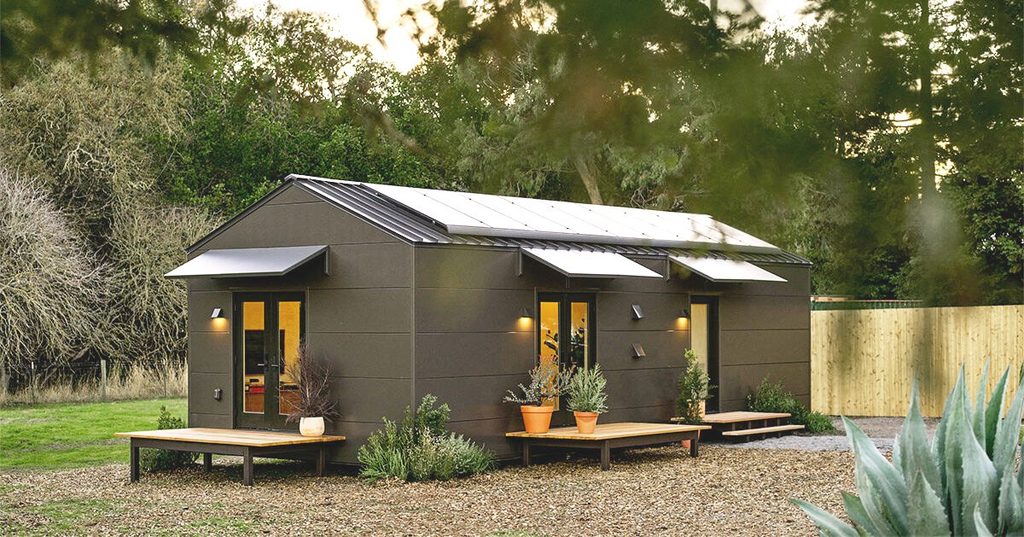
That is why the factory price alone tells an incomplete story. A buyer needs to know what it will cost to move in, not what it costs to watch two modules leave the plant.
If our industry wants to make a serious affordability argument, we have to discuss the entire project. Celebrating an inexpensive module while overlooking an expensive foundation, a difficult site, or a poorly coordinated set does little for the family writing the checks.

Materials Don’t Become Affordable Just Because We Have Them
America has forests, manufacturing capacity, and distribution networks. Yet a house requires specific products, in specific quantities, delivered when the people installing them are ready.
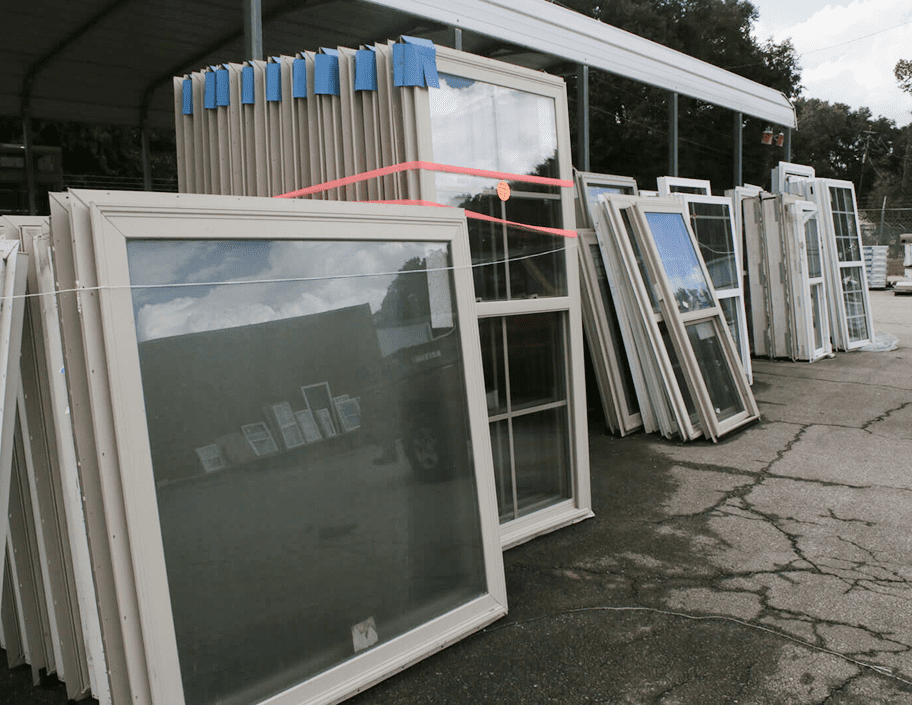
A warehouse full of the wrong windows won’t keep a production line moving.
Offsite construction offers an opportunity to improve that coordination. Repeatable designs, consistent purchasing, accurate material lists, and controlled cutting can reduce waste and uncertainty. But those benefits come from management discipline. They don’t arrive automatically with the factory building.
Let customers change everything until the last minute, release incomplete drawings, and buy materials after production begins, and you can recreate jobsite confusion under a very expensive roof.
The purchasing advantage gets stronger when the factory knows what it will build next month. It gets weaker when next week’s homes are still being redesigned.
The Labor Advantage Has to Be Built, Too
A factory can organize work so employees learn defined tasks, use consistent tools, and receive supervision in one location. That gives offsite construction a useful way to develop people who might never enter a traditional construction apprenticeship.
It does not mean skilled labor becomes unnecessary. Somebody still has to understand the work, train employees, inspect quality, and solve the problems that don’t appear in the instruction manual.
Nor does automation rescue a poorly organized operation. Before buying equipment to speed up a task, management should know whether that task is actually holding up production. Otherwise, the new machine may simply produce unfinished work faster than the next station can handle it.
A dependable workforce grows out of dependable management. People need clear expectations, usable information, and a reason to believe their employer has a plan beyond Friday.
Waiting Is Part of the Price
One of housing’s least visible costs is the time spent waiting between activities.
Waiting for an approval. Waiting for a financing decision. Waiting for the foundation. Waiting for someone to confirm that the delivery route works.
Those delays can create interest expense, storage needs, rescheduling, and additional handling. Eventually, somebody pays. Sometimes it is the buyer. Sometimes it is the builder or factory surrendering the profit it expected to earn.
Offsite construction can overlap factory production with site work. That is a real opportunity, provided both schedules are managed together. Finish the modules before the site is ready, and the supposed time savings may turn into a yard full of completed homes waiting for somewhere to go.
The goal should be a shorter, more predictable path to occupancy. Factory production speed is one part of that path.
Money Has to Reach the Work
A family’s ability to buy depends on the total cost and the financing available to that particular household. No single interest-rate explanation covers every affordability problem.
Factories and builders have their own financing challenge: paying for work before they collect for it.
Materials, payroll, and overhead come due whether the next payment has arrived or not. A project can look profitable on paper and still put enormous pressure on working capital.
That makes the payment schedule an operating issue. Before production begins, the parties need to understand what triggers payment, what evidence is required, and who is responsible for approving it. Discovering those details after the modules are finished is a poor way to finance a business.
Gary’s Observation

I believe offsite construction can help more families get into homes. But our argument gets weaker every time we suggest that a factory automatically solves everything outside its doors.
We need communities willing to allow practical housing choices, projects with workable financing, and builders who can coordinate site work with production. We also need factory owners willing to examine their own waste, late decisions, and promises.
There is no shortage of people explaining why housing costs so much. What buyers need is a group of people willing to take responsibility for bringing a complete home within reach.
America has plenty to work with. The test is whether we can line up a permitted lot, an affordable design, a disciplined factory, a prepared site, and a workable payment schedule for the same family.
Until that happens, “plenty” is just something they drive past on the way back to their rental.