

In the early 20th century, Sears revolutionized the American dream of homeownership with their catalog of kit homes. These homes, delivered in pieces for assembly on-site, offered a glimpse into a future where creating your own home from a pre-designed plan was not just possible but fashionable. However, as the complexities of modern utilities like indoor plumbing and electricity grew, the allure of kit homes dimmed. But are we witnessing a resurgence in the popularity of do-it-yourself kit homes today?
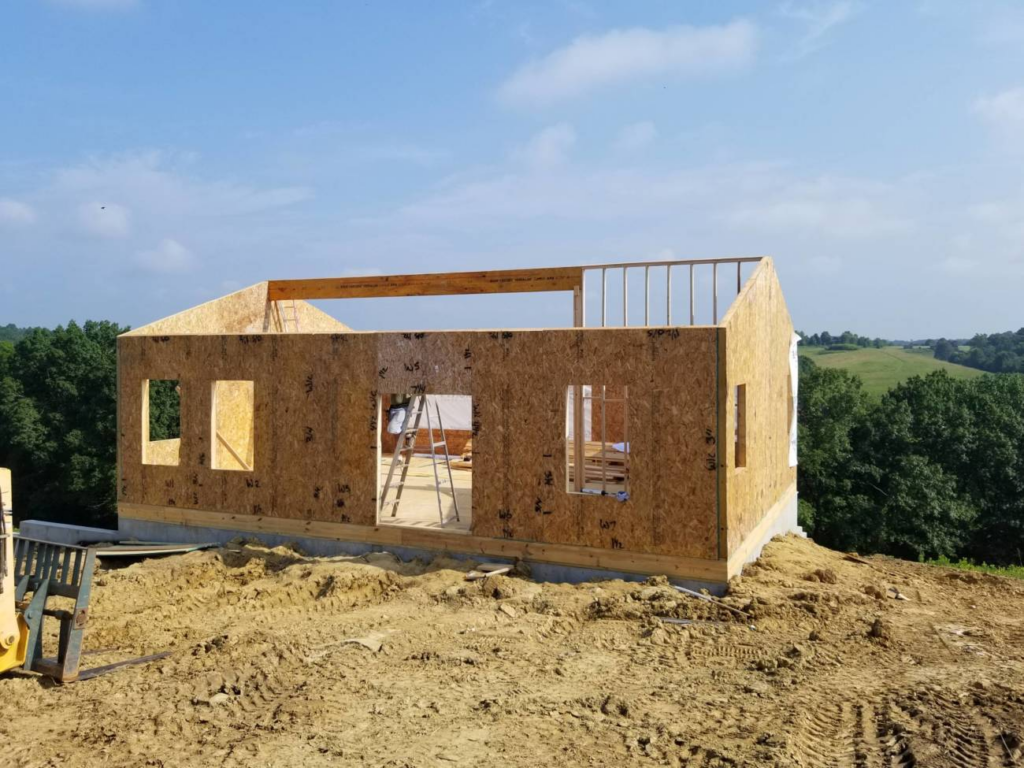
photo – Mighty Small Homes
Indeed, the concept of kit homes is making a notable comeback. The modern homeowner is constantly searching for innovative, cost-effective paths to owning a home, and kit homes have re-emerged as a viable solution. With advancements in technology and design, today’s kit homes are not only affordable and customizable but also energy-efficient, aligning perfectly with the contemporary ethos of sustainability and personalization.
Retail giants like Amazon are now among the platforms where you can purchase a kit home, with all the necessary materials delivered directly to your building site. This convenience, coupled with the cost savings compared to traditional home construction, makes kit homes an attractive option for prospective homeowners looking to build on a budget.
Why Kit Homes Are Gaining Popularity
Affordability:
One of the most compelling reasons for the popularity of kit homes is their cost-effectiveness. Traditional home construction often involves significant expenses related to labor and materials, which can quickly escalate beyond budgetary constraints. Kit homes, on the other hand, are pre-designed and manufactured in a controlled environment, leading to more efficient use of materials and reduced waste. The savings on labor are substantial as well, as the primary structure can be assembled much faster than traditional construction methods allow. This efficiency translates to lower overall costs for the homeowner, making the dream of homeownership more attainable for a broader demographic.
Speed of Delivery:
The extended timelines associated with traditional home building can be a major deterrent. Kit homes offer a solution to this problem. Thanks to the prefabrication process, manufacturers can organize and deliver the entire kit to your building site within a matter of weeks. This rapid delivery means that construction can begin sooner and the timeline from start to finish is significantly shorter, allowing homeowners to move into their new homes much quicker than they might with a traditionally built home.

photo – PAAL homes
Customizability:
Gone are the days when prefab homes meant a one-size-fits-all approach to design. Modern kit homes come in a myriad of styles, sizes, and layouts, providing buyers with the freedom to choose a home that perfectly suits their needs, preferences, and lifestyle. Whether you’re looking for a compact, energy-efficient home or a spacious, family-friendly layout, there’s likely a kit home option that fits the bill. This level of customizability ensures that homeowners don’t have to compromise on their vision to enjoy the benefits of a kit home.
Energy Efficiency:
Sustainability is a growing concern among homeowners, and kit homes are at the forefront of the movement towards more environmentally friendly living spaces. Modern kit homes are designed with energy efficiency in mind, incorporating features like high-quality insulation, energy-efficient windows, and sometimes even renewable energy sources like solar panels. These components not only contribute to a smaller carbon footprint but also lead to significant savings on utility bills over time.
The Process of Building a Kit Home
Building a kit home is a journey of creation and customization. Here’s a more detailed look at what this process entails:
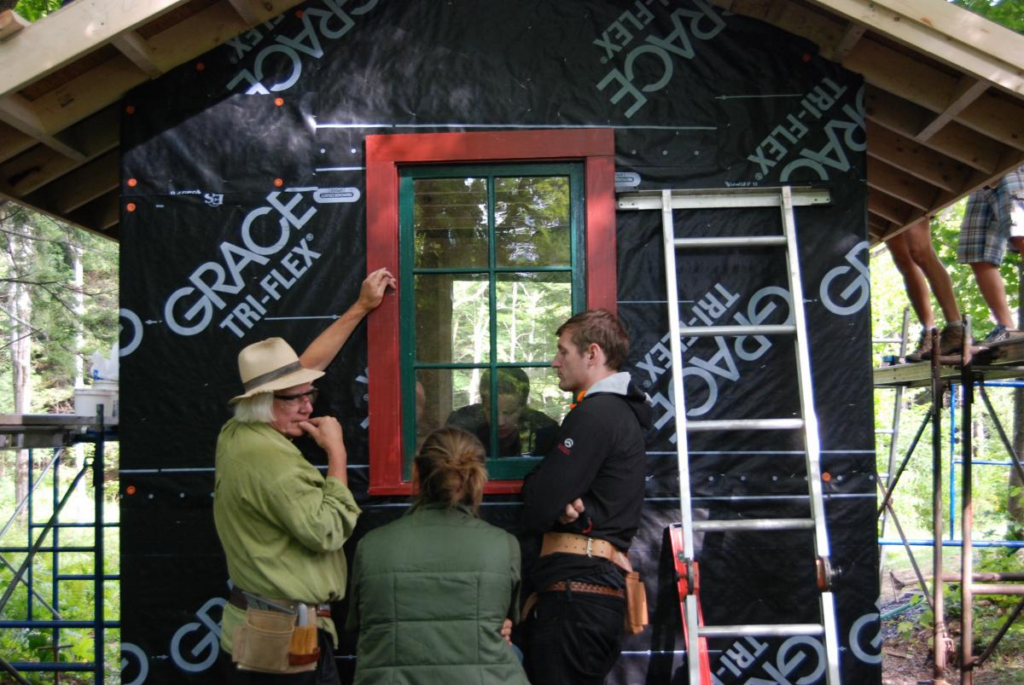
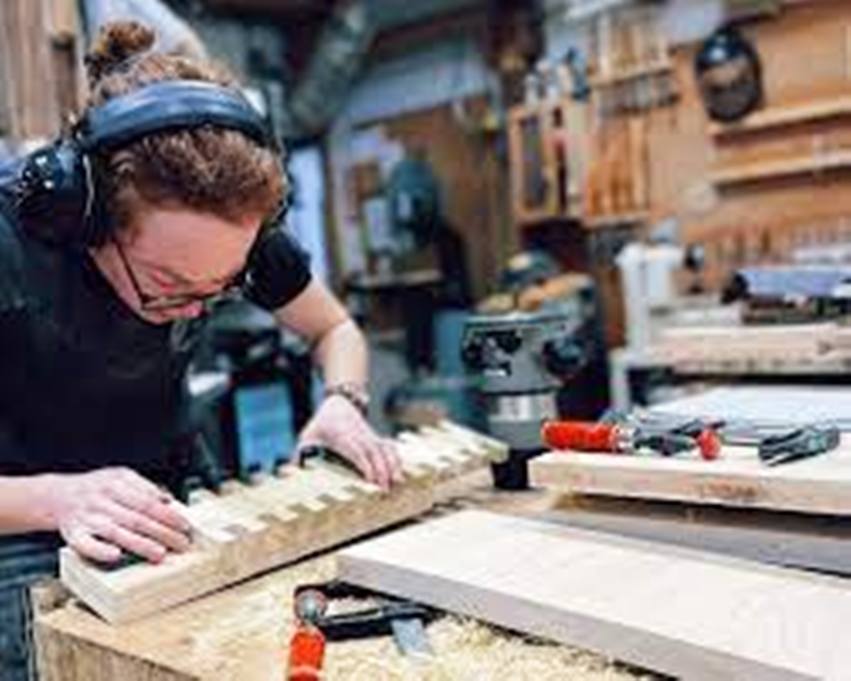
this photo and top – Yestermorrow School
Research:
The first step is comprehensive research. This phase involves understanding everything from the types of kit homes available to the specifics of local building regulations. It’s crucial to select a reputable manufacturer and to fully grasp the scope of the project before proceeding.
Budgeting:
Establishing a realistic budget early on is essential. Beyond the cost of the kit itself, prospective builders should account for expenses related to site preparation, foundation work, assembly, and the finishing touches that will turn the structure into a home.
Selecting a Kit:
Choosing the right kit involves balancing your budget with your needs and desires for your future home. Consider the size, style, and layout that will best fit your lifestyle, and ensure the kit you select meets these requirements.
Land Preparation:
Before the kit arrives, the building site must be prepared. This step includes clearing the land, laying the foundation, and making sure that utilities are properly set up. Preparation is key to a smooth assembly process.
Assembly:
The assembly of a kit home can be an exciting time as you see your vision start to take shape. Depending on your skills and resources, this step can be handled by a team of professionals or undertaken as a DIY project with the help of skilled friends and family.
Finishing Touches:
Finally, once the structure is erected, it’s time to focus on the interior and exterior finishes. This stage includes installing insulation, hanging drywall, painting, and decorating—essentially, transforming the structure into your personalized home.
Building a kit home offers a unique opportunity to actively participate in the creation of your living space, making it an appealing option for those looking to build a customized home on a budget. With their affordability, speed of delivery, customizability, and energy efficiency, it’s clear why kit homes are becoming a preferred choice for some new homeowners.
Tough Choices
Building a kit home is indeed a pathway to achieving your dream home on a budget, but it comes with its set of challenges. It demands a proactive approach, from doing the homework to staying in control of the construction process. Yet, for those willing to invest the time and effort, the reward is a custom-built home that meets your exact wants and needs at a reasonable price.
As we continue to look for creative solutions to homeownership, the resurgence of kit homes offers a promising option for many. With their blend of affordability, customization, and efficiency, kit homes stand out as a compelling choice for the modern home builder.
Be sure to read parts ONE and TWO
.

CLICK HERE TO READ THE MARCH ISSUE
.

Gary Fleisher is a renowned blogger and commentator on construction and housing trends, known for his insightful analysis of the industry.